Ramblings of Madmen
Uniformity.. endangers the free development of the individual.
Prejudices are found by contrast, not by analysis.
The first step in our criticism of customary concepts and customary reactions is to step outside the circle and either to invent a new conceptual system, for example a new theory, that clashes with the most carefully established observational results and confounds the most plausible theoretical principles..
And my thesis is that anarchism helps to achieve progress in any one of the senses one cares to choose.
It becomes evident that such violations are not accidental events, they are not results of insufficient knowledge or of inattention which might have been avoided. On the contrary, we see that they are necessary for progress.
Feyerabend
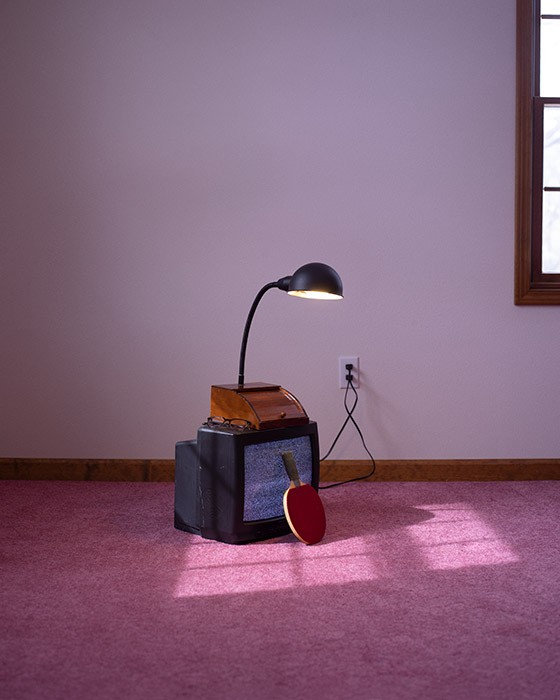
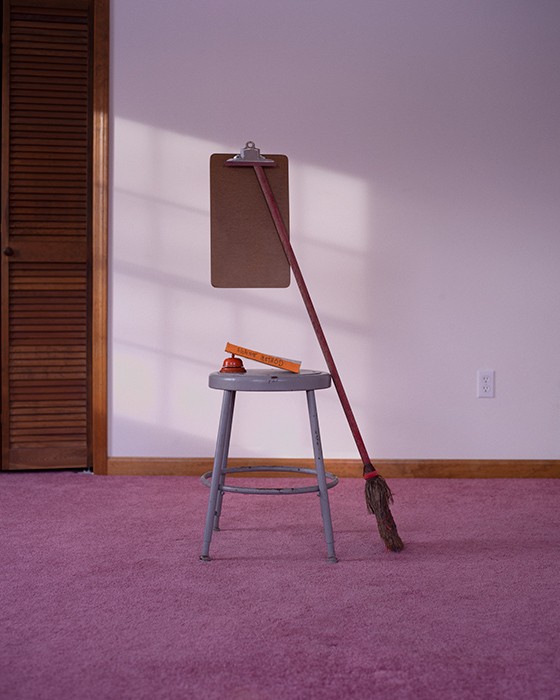
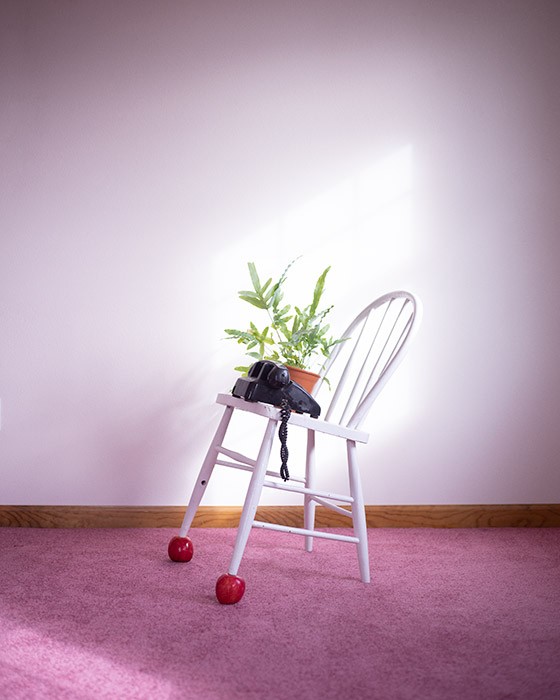
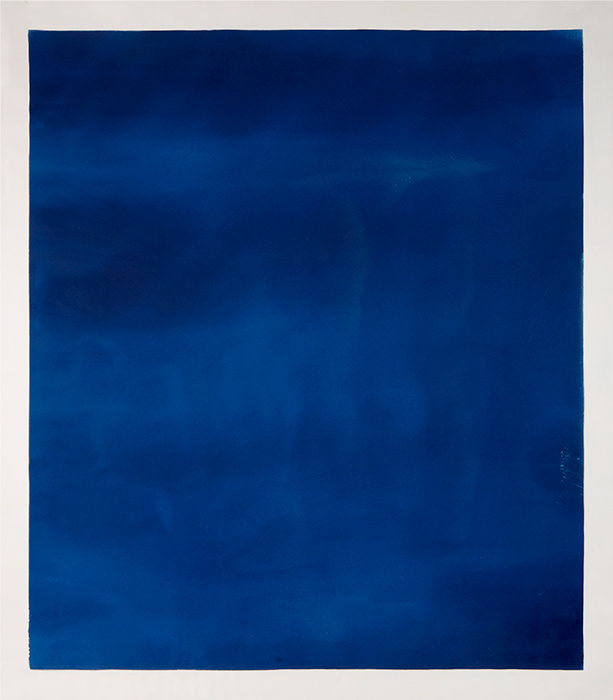
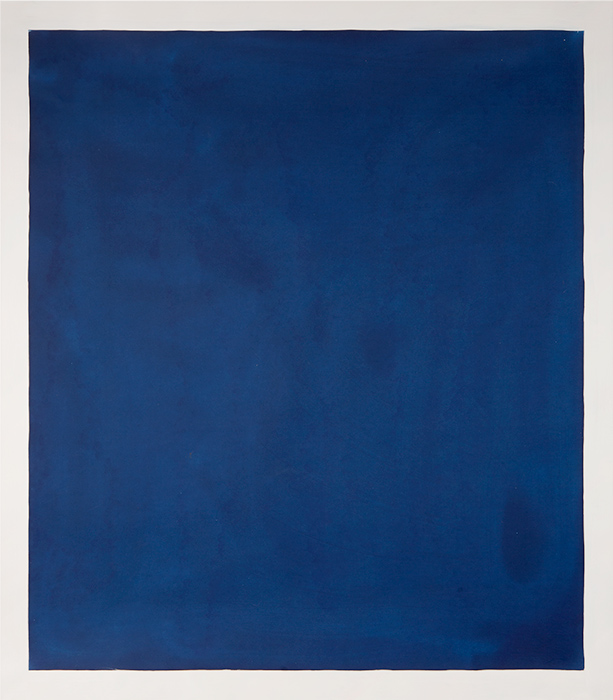
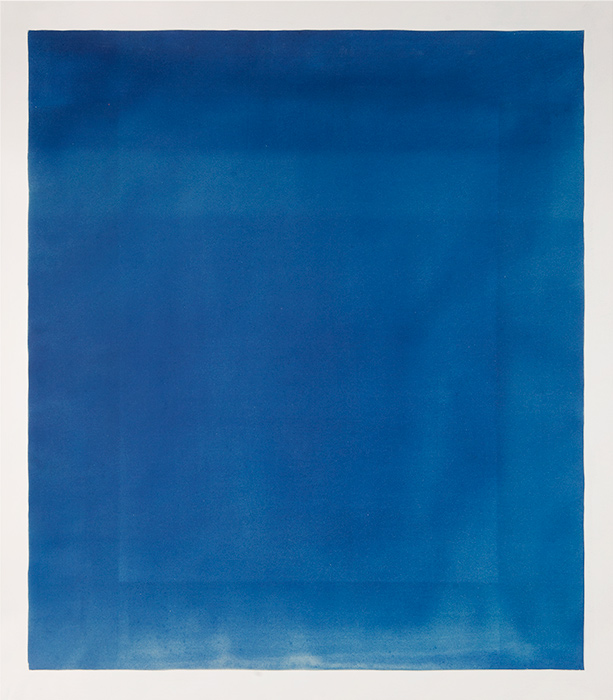
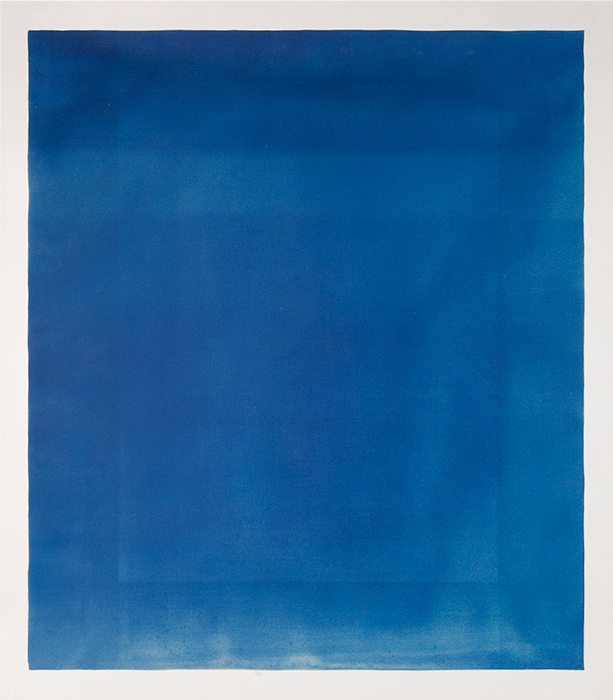
Bathing In Cobalt
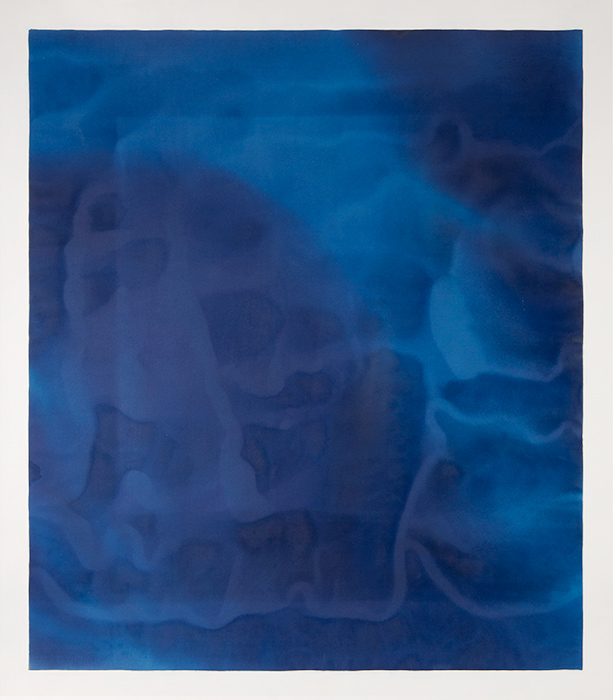
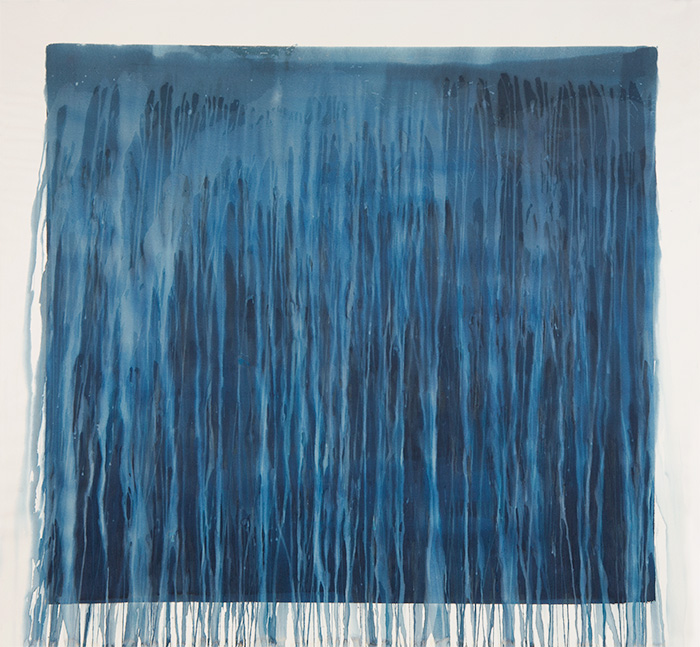
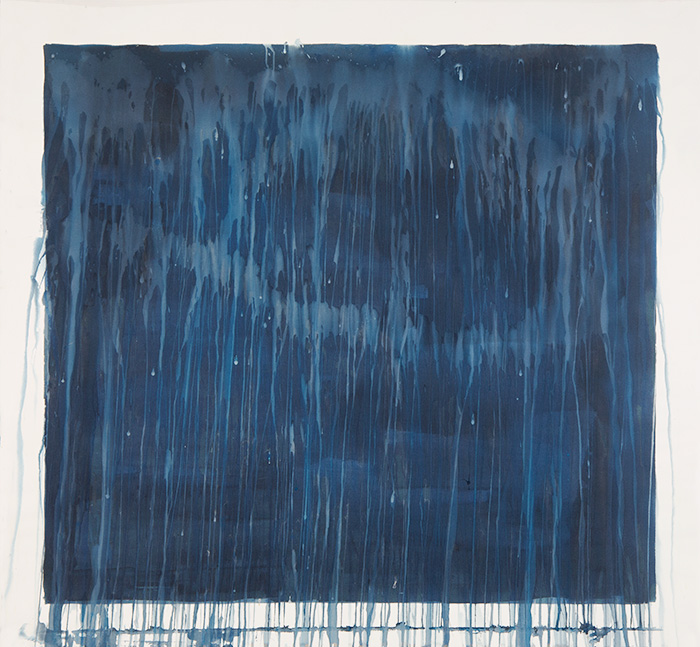
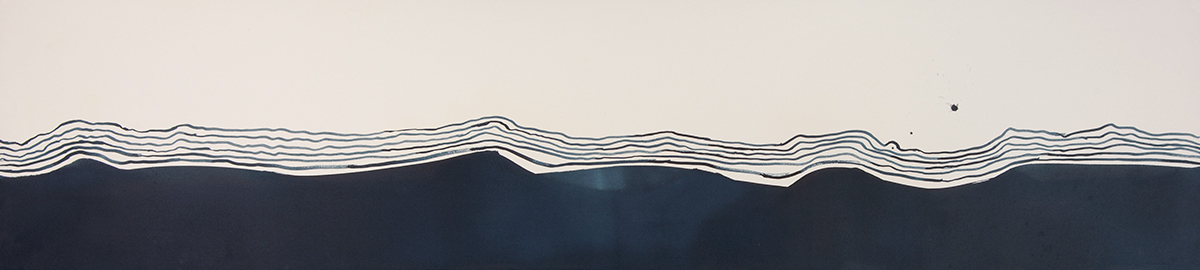
There has become an unspoken expectation of what a photograph is in terms of content or what is photographed. A quick survey of popular photography or images that are “trending,” reveals a social appetite for beautiful yet unfulfilling and soulless photographic content. This popular aesthetic has created a demand which forces image makers to create similarly shallow imagery if they seek to share their work and be noticed.
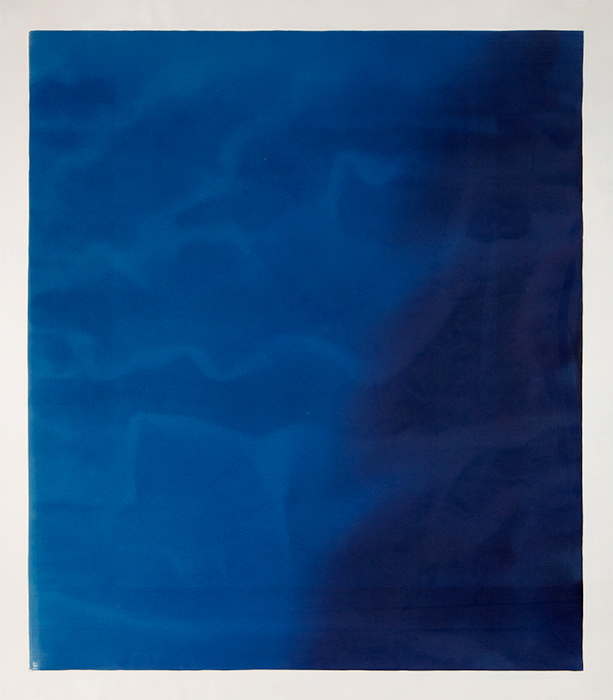
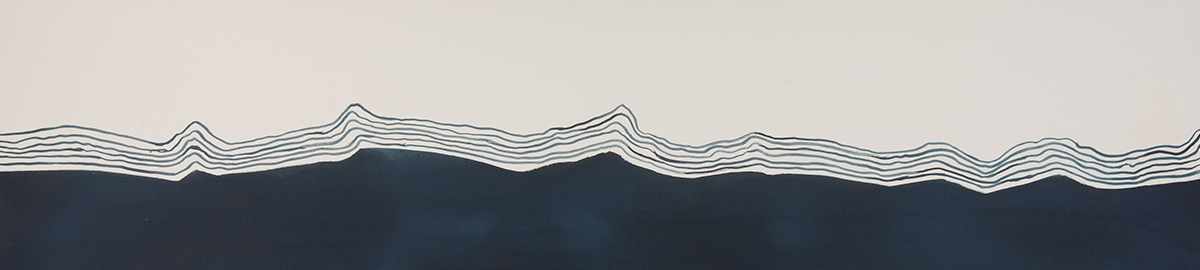
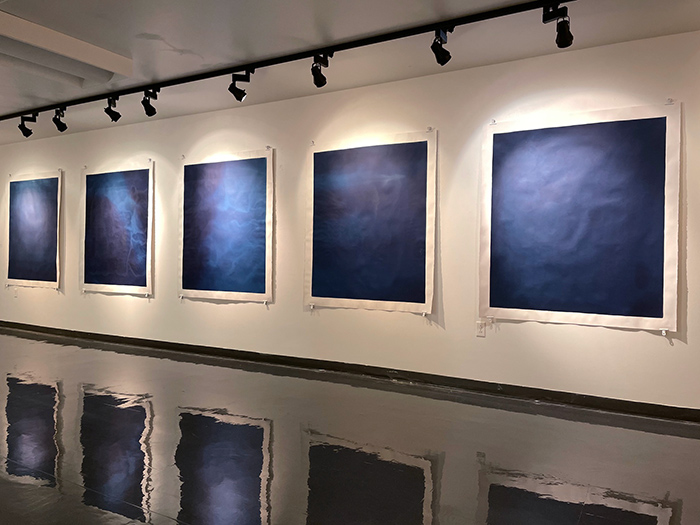
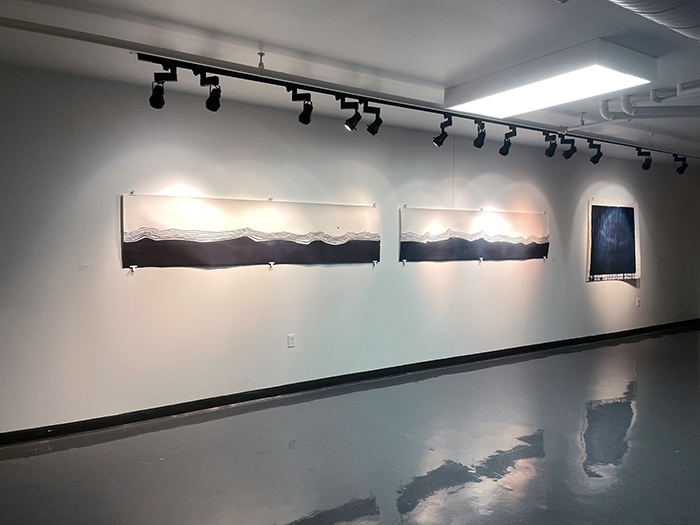
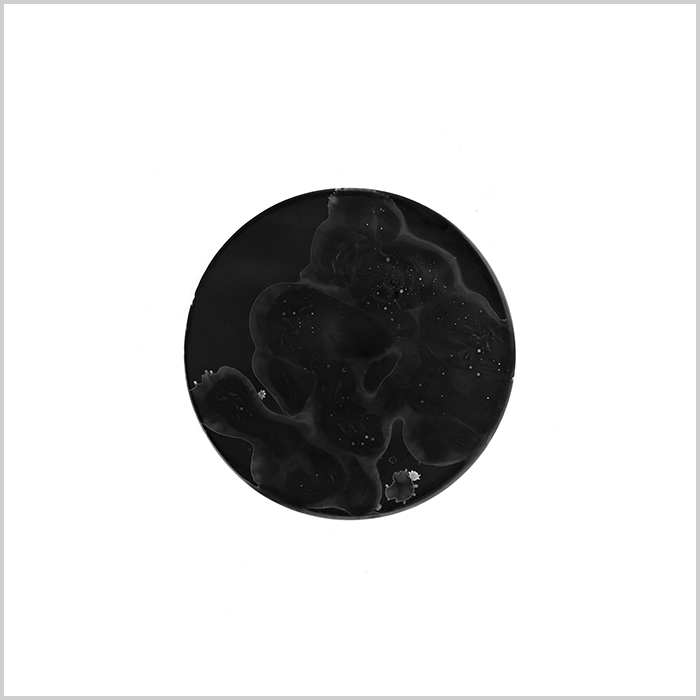
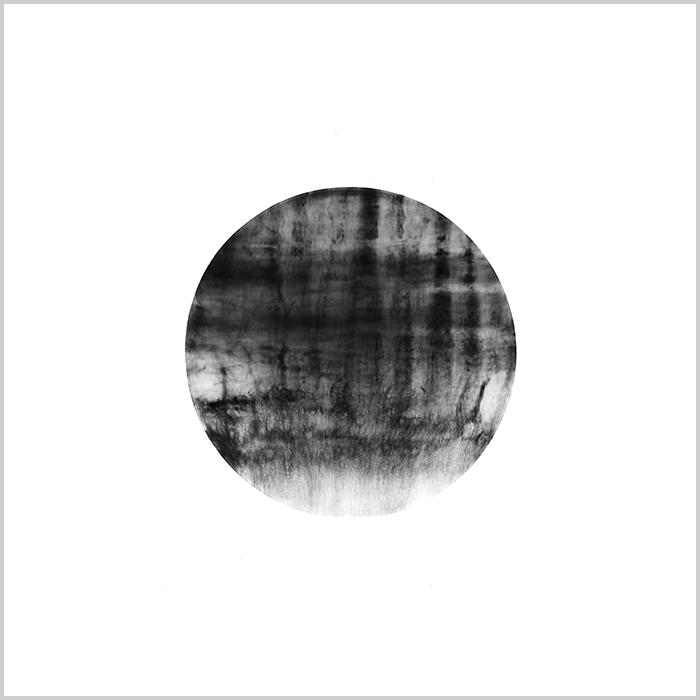
However, what if one was to consider photographic arts less in terms of a medium embedded with expectations and instead as material. Each image from Bathing In Cobalt explores how photographic processes and materials play an essential role in creation while avoiding entirely the notion that a photograph must be depictive. This focus on material resulted in artwork that made using photographic processes (cyanotype and anthotype), however each done without the use of a camera.
This resulted in “images” that are rich in color, that play on process and performative act, that consider an image in a state of latency as complete and that press against the expectations we all experience by popular demand.
Edifice of Ruins
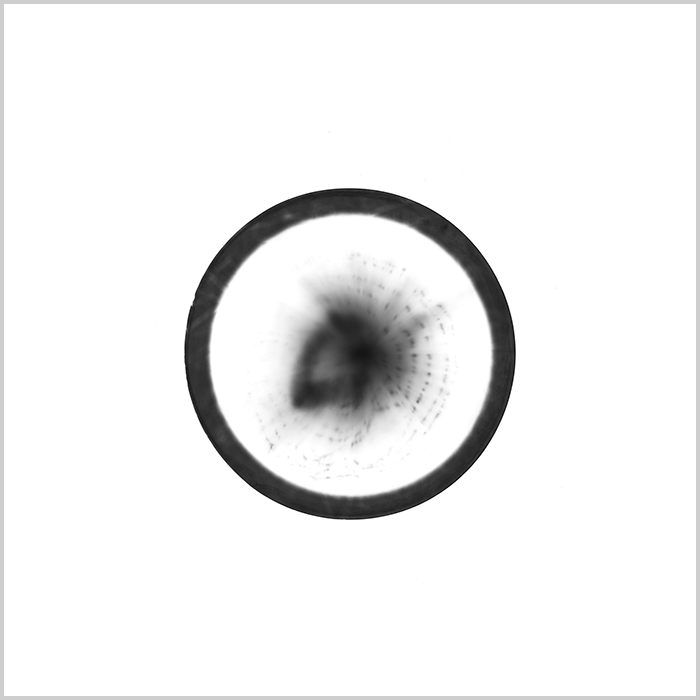
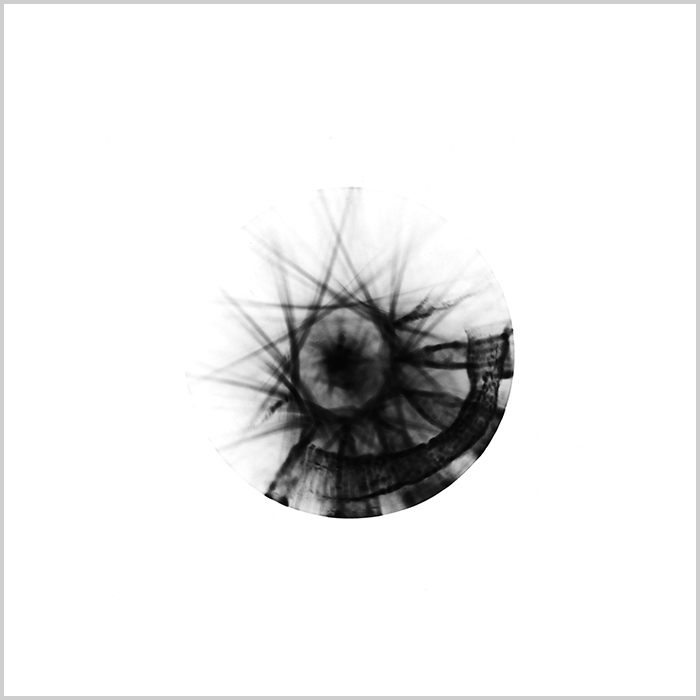
As contemporary image-making becomes increasingly shaped by digital technologies and social media, this expectation has reinforced a cultural understanding of photography in which the subject often takes precedence over the image itself.
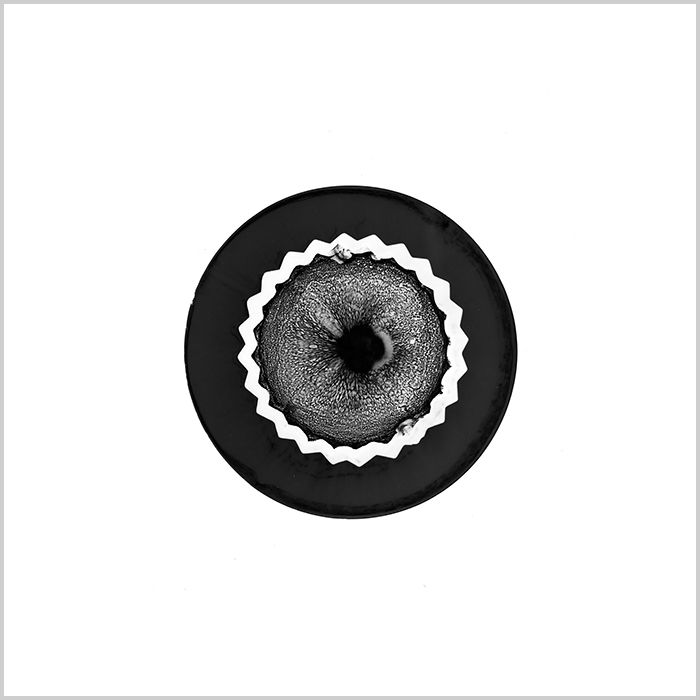
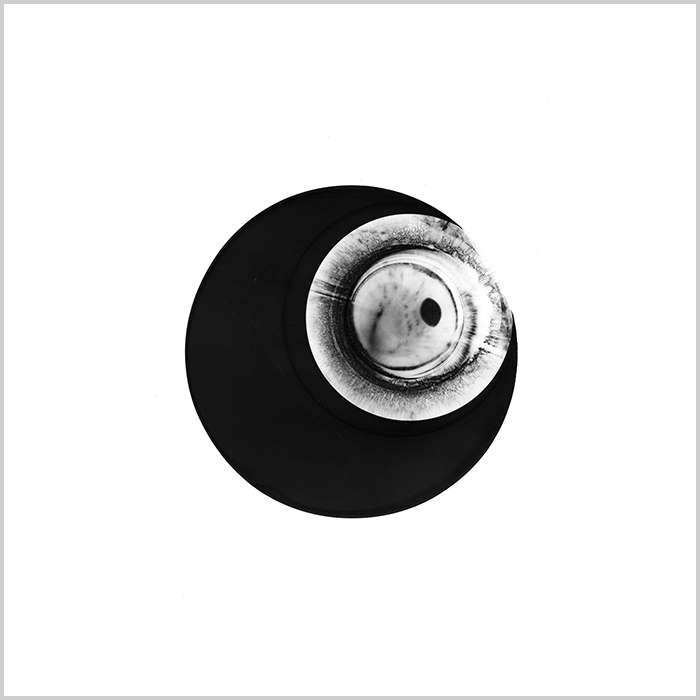
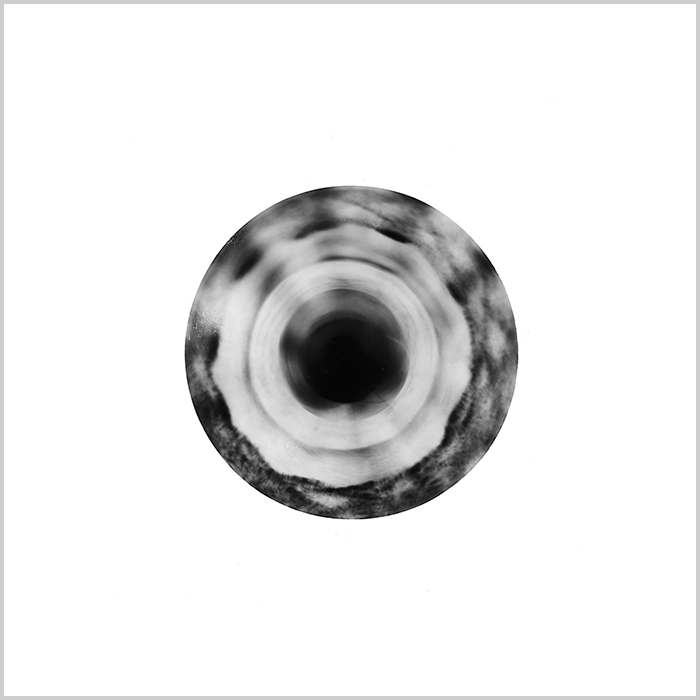
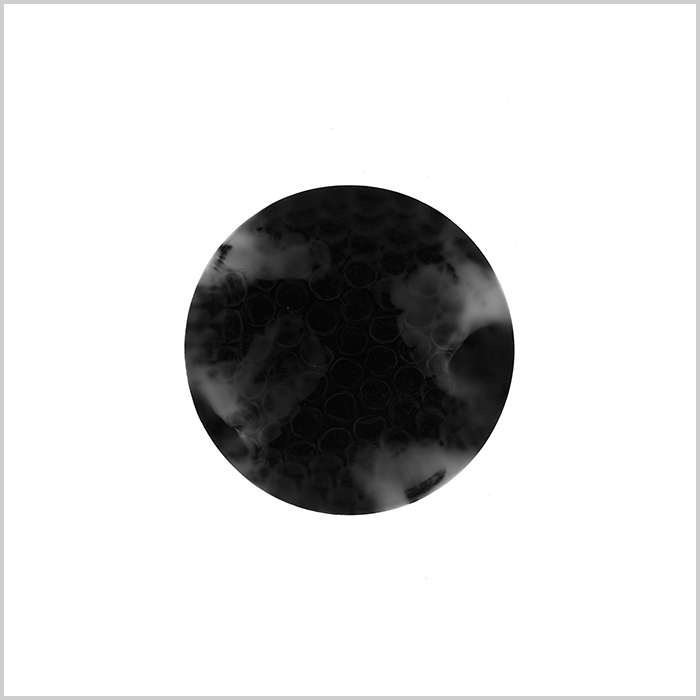
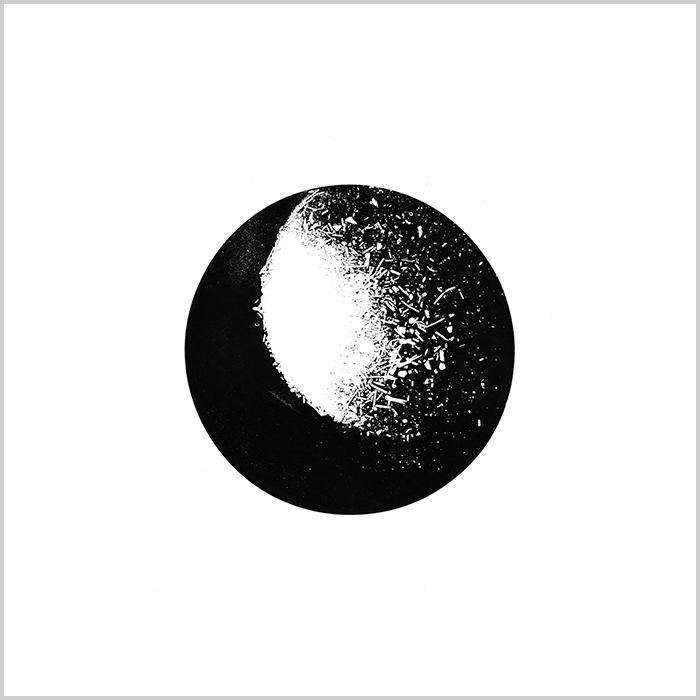
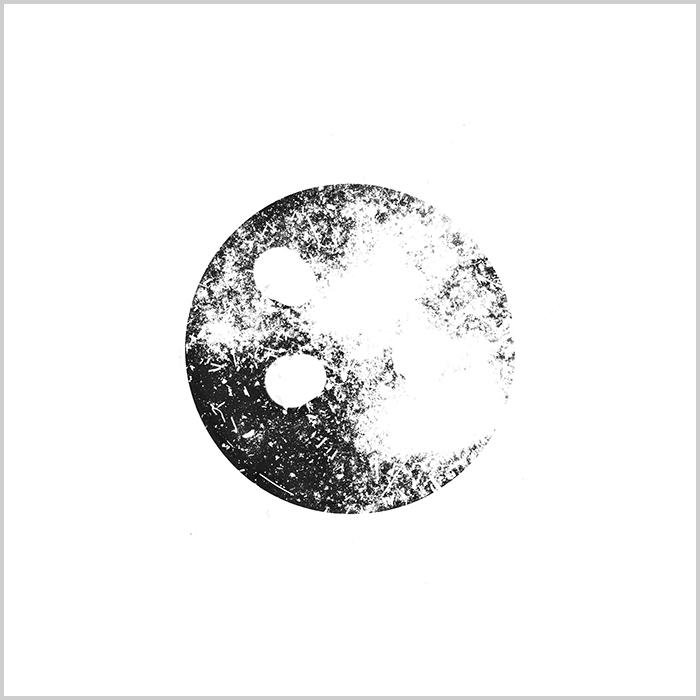
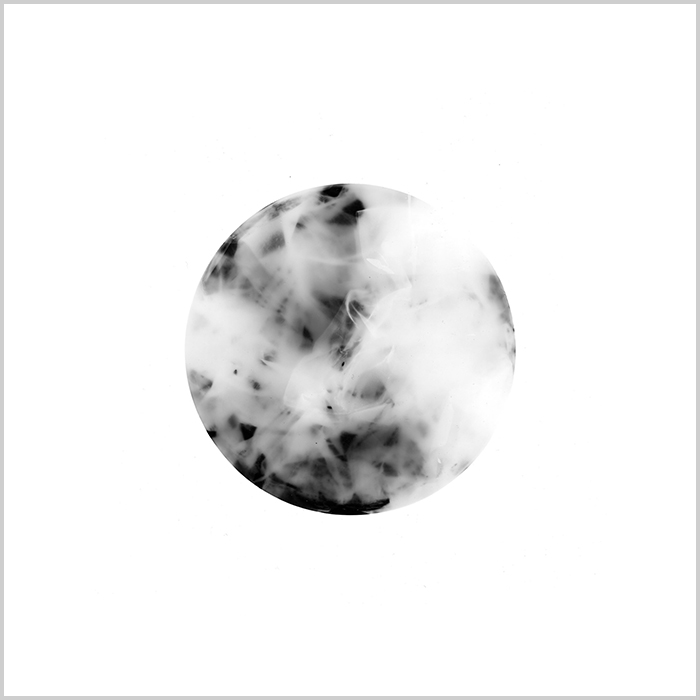
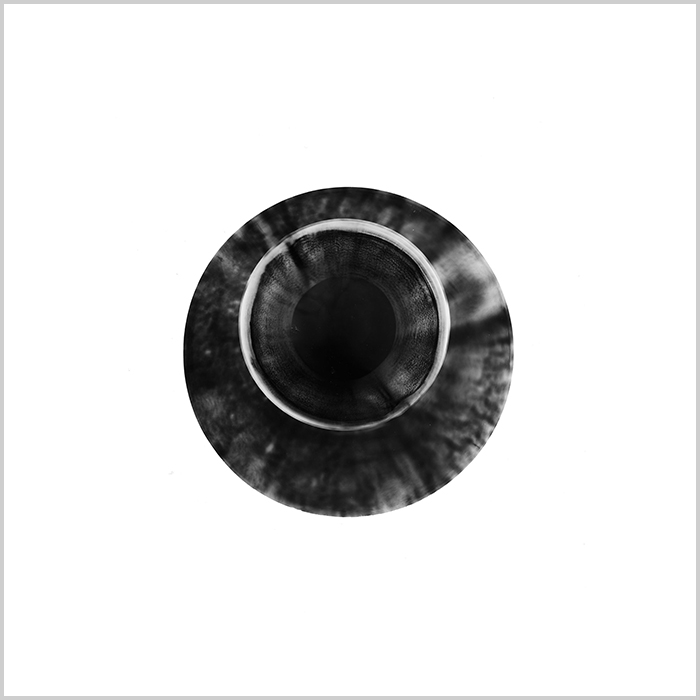
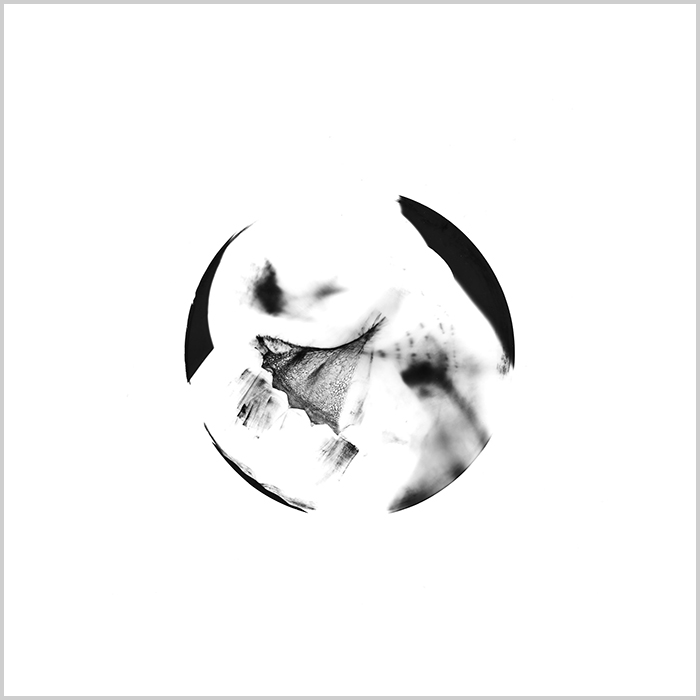
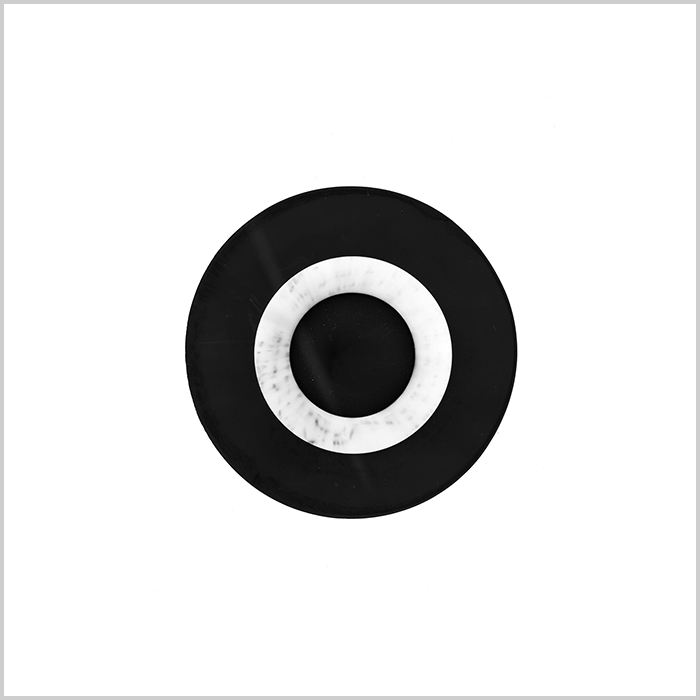
Edifice of Ruins attempts to disrupt this relationship through a non-traditional method of image capture in which lenses constructed from intentionally flawed materials produce images that challenge the expected notions of photographic representation. These imperfections, rather than being understood as technical failures, become essential to the formation of the image.
The resulting photographs, presented as traditional black and white silver gelatin prints, examine the relationship between technology, abstraction, and the inherent expressive qualities of the photographic medium. In removing the recognizable subject, Edifice of Ruins encourages spectators to reconsider their relationship to photographic images and question how the technologies through which we see have come to shape our understanding of the world around us.
Interpretants
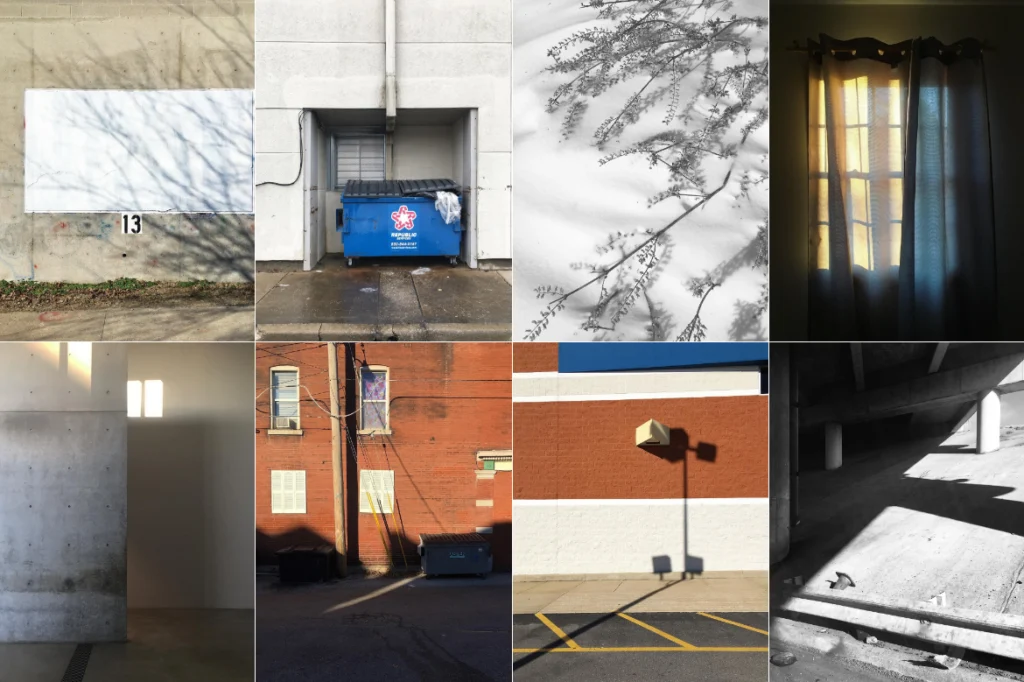
Being fascinated with the exchange that takes place when images inspire words and words elicit images, this project pairs images of non-depictive content with a textual layer that has no direct context to the image itself. While I use Instagram as a photographic journal of what I see and hear, without context the work acts as an open door to spectator based interpretation. The entirety of the project can be viewed on Instagram https://www.instagram.com/radphillips/
This began June 4th 2013 till February 25, 2023.
Video Will Resume
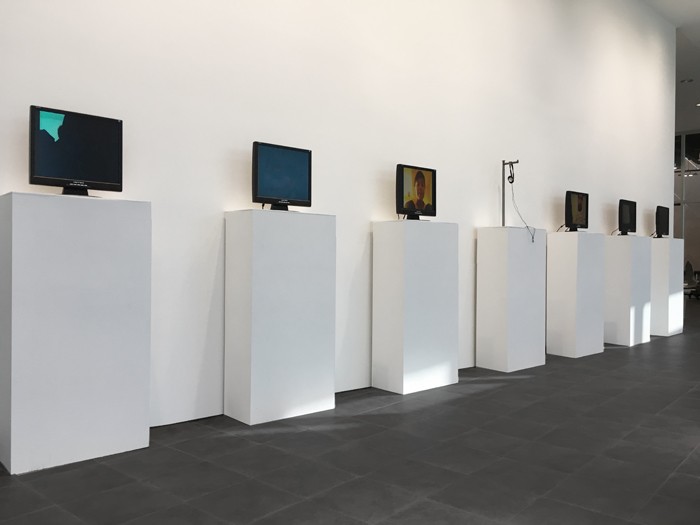
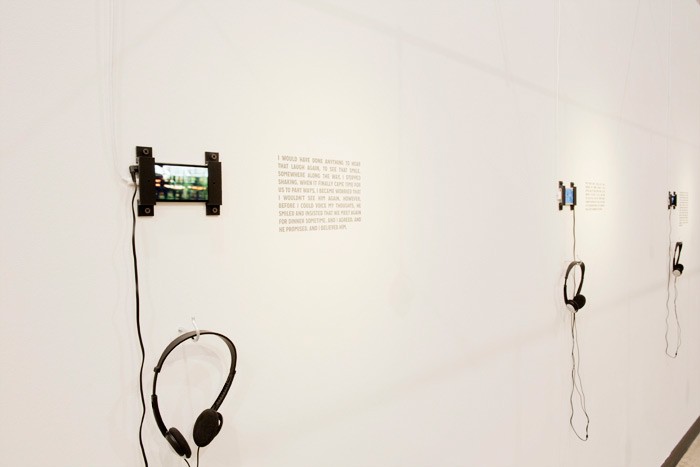
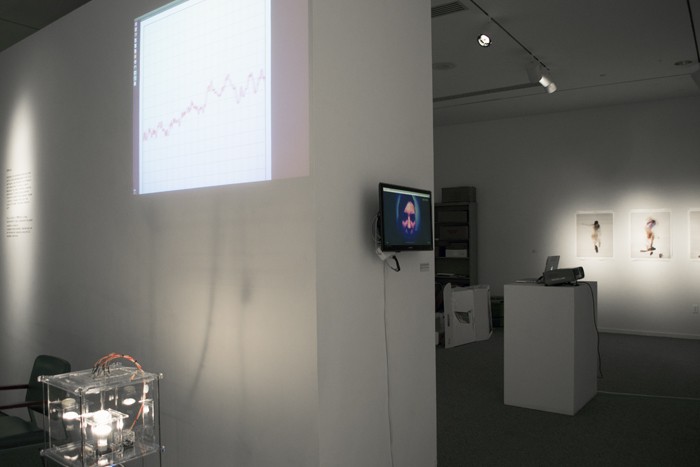
Within image-making, the emergence of new media has, perhaps, challenged the expected through the evolution of cross-media approaches and practices. As a result all forms of digital content can be examined for inherent expressive value. Video Will Resume takes its material from FaceTime screen shots and recordings of accompanying conversations that took place between myself and my son between 2012-2015. This archive of media has been used to create an interactive multimedia experience in the form of an audio/video installation. Spectators and participants will experience the material as it is broken down into its own essential components; image, sound and time. This examination delves into the relationship between technology and virtual artifact, as the experience of the work becomes a simulacrum of the original “face to face” interaction. As such viewers will be compelled to encounter FaceTime as a contemporary form of communication in which its flaws remind us of its own inadequacy of the real. However, in contrast, FaceTime simultaneously functions as an advancement of a technology that connects people in ways never before possible and presents a beautiful juxtaposition against its inherent flaws.
Disrupt/Connect
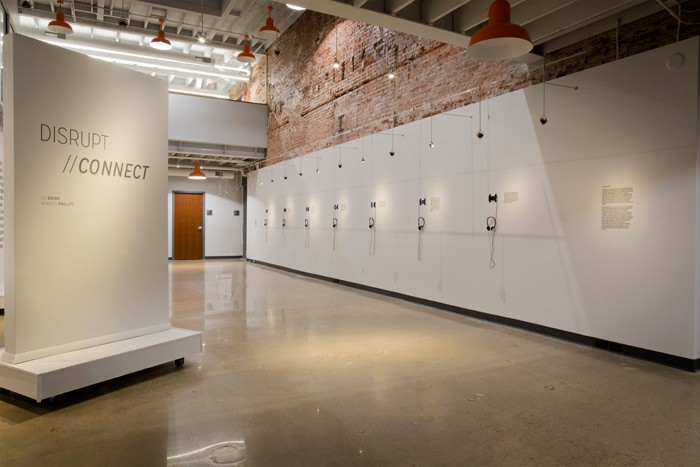
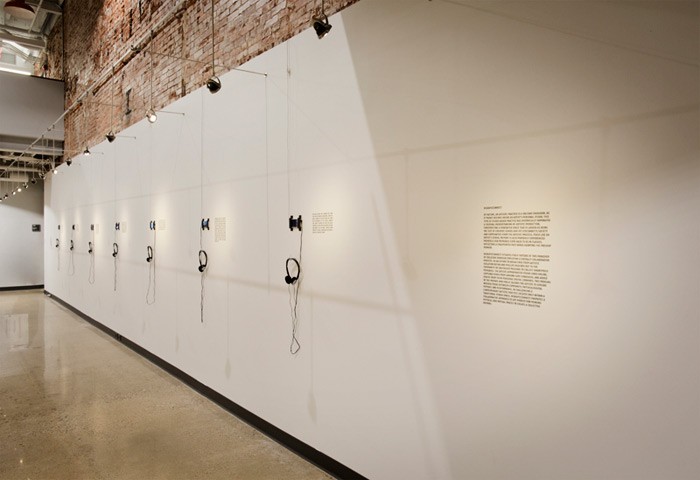
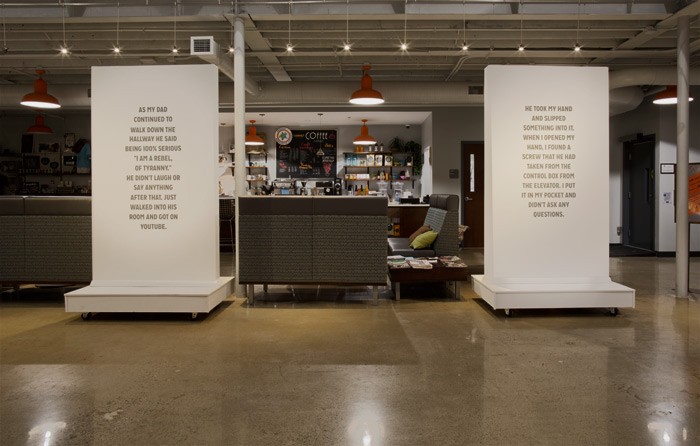
By nature, an artistic practice is a solitary endeavor, as it mainly resides inside an artist’s personal studio. This type of studio-based practice has historically dominated a cultural understanding of artistic production, constructing a venerated space that is lauded as being the site of creative genius and yet disconnects society and communities from the artistic process. Much like an artist’s studio, memory is also primarily experienced privately. Our memories come back to us in flashes, reflecting a fragmented past while haunting the present moment. Disrupt/Connect situates itself outside of this paradigm of isolation through employing a digitally collaborative process. In an effort to break free from artistic isolation Liz Bayan and Bradley Phillips reached out to the community of southeast Missouri to collect anonymous memories. The artists appropriated found video online, captured video from around Cape Girardeau, and added videos from their personal digital libraries. This merging of the private and public allows the artists to explore intersections between community, physical/digital memory, and performance. In challenging a contemporary artistic practice located only within a traditional studio space; Disrupt/Connect promotes a collaborative approach to art production merging physical and virtual spaces to create a collective memory.
Settling For the Unsettling
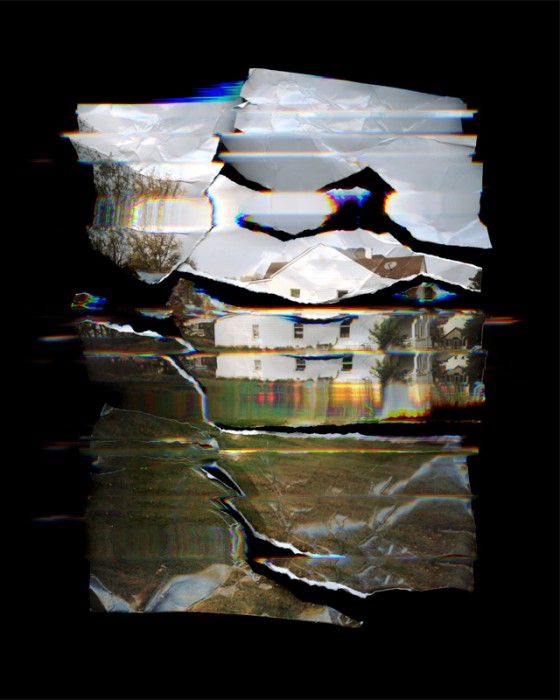
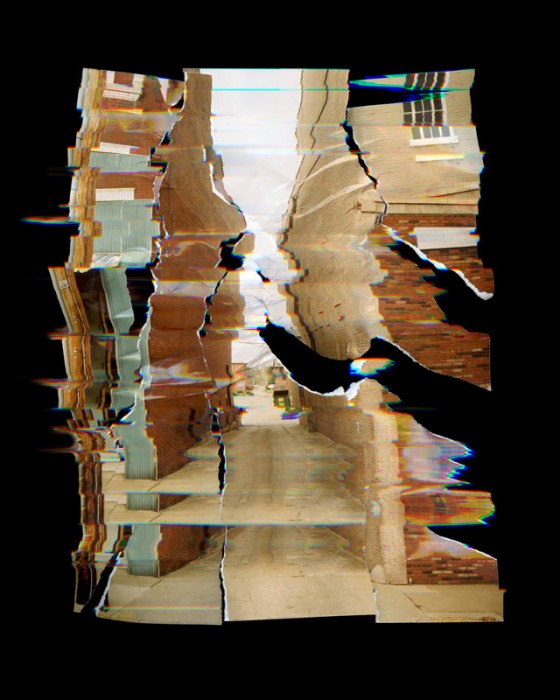
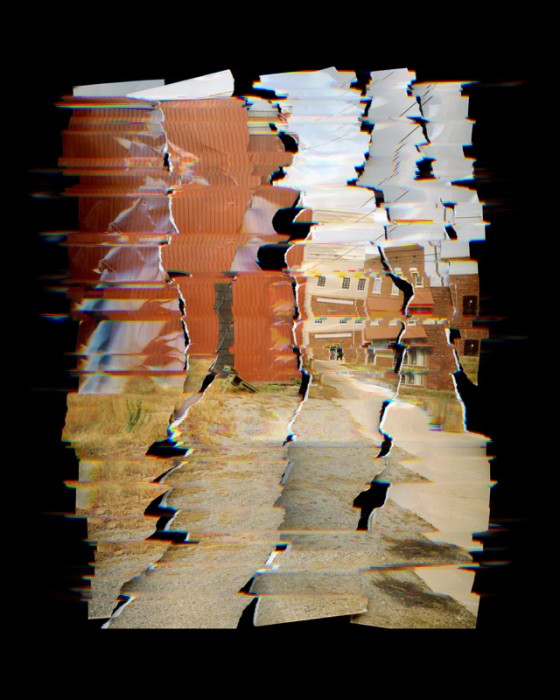
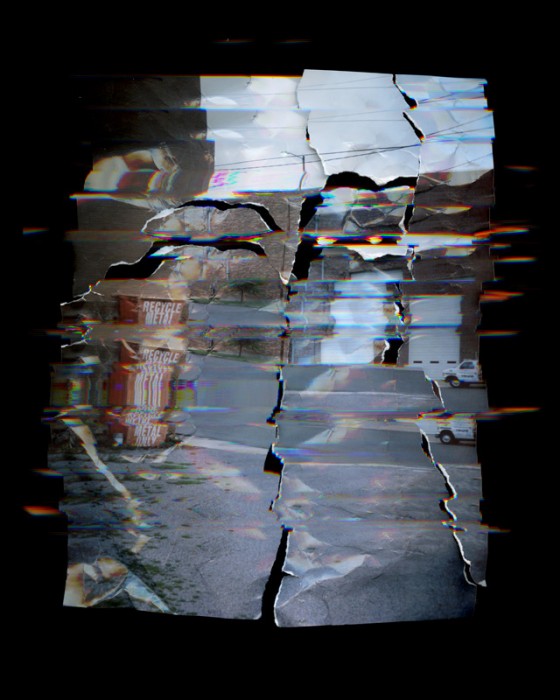
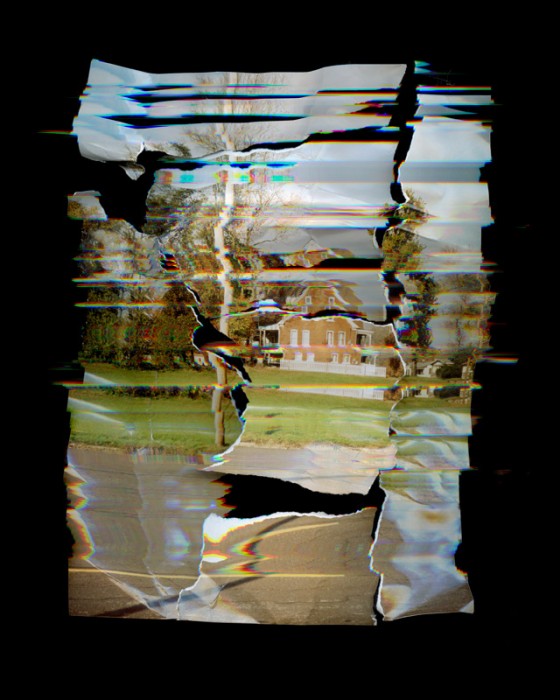
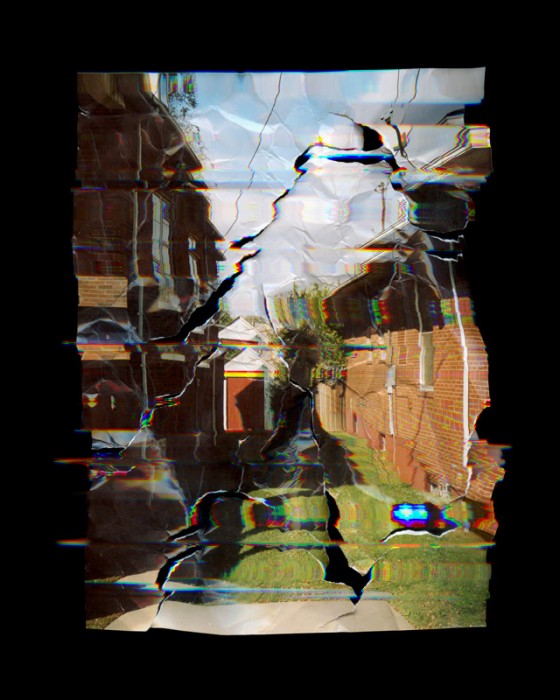
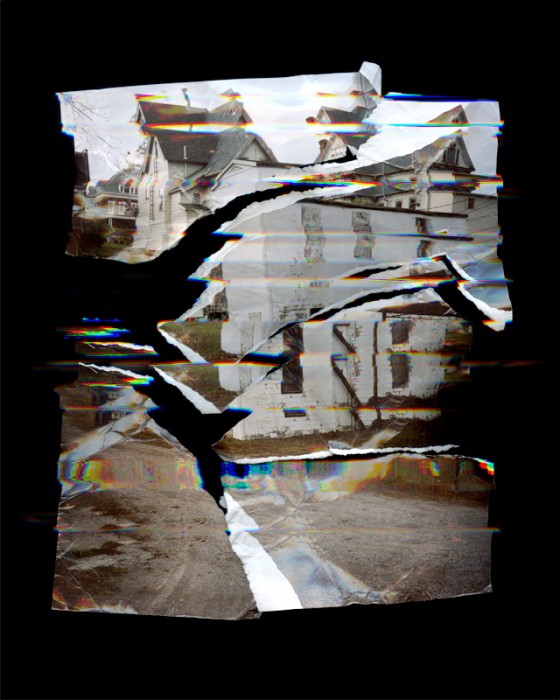
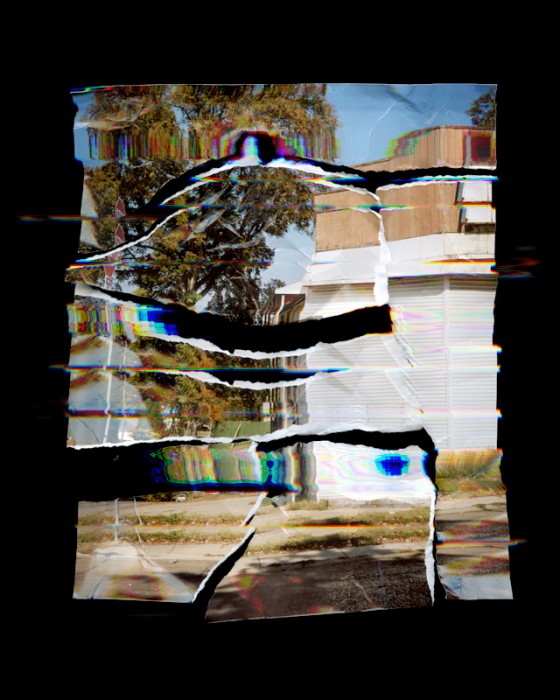
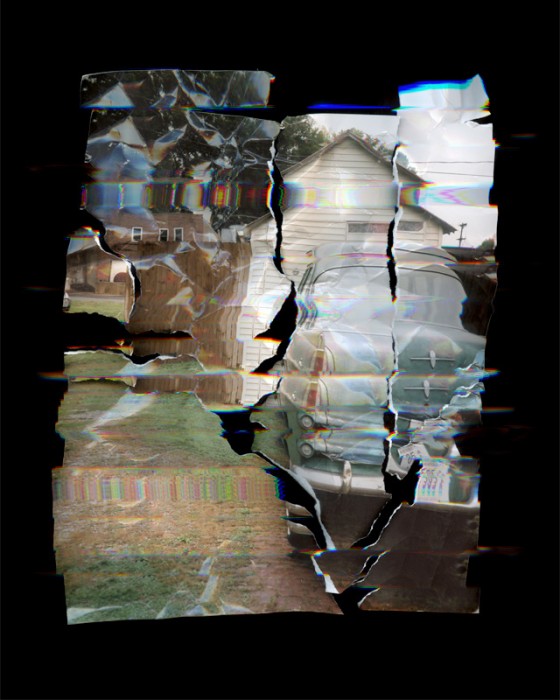
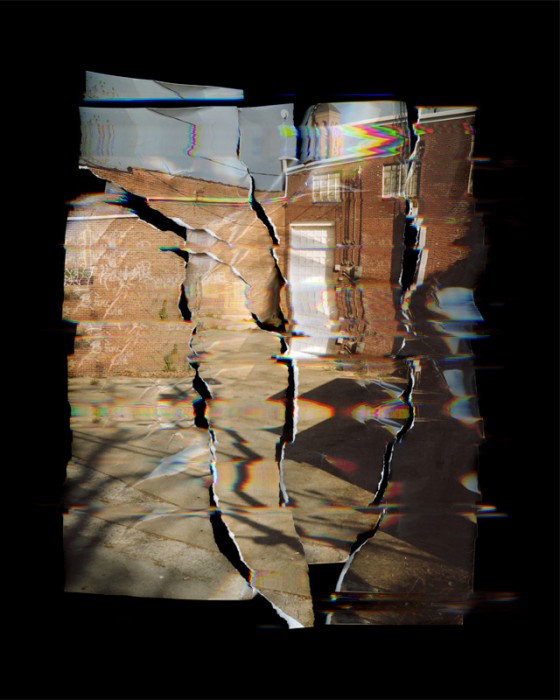
The images of settling for the unsettling came about through an exploration of space in which the binary of conformity and anomaly were examined. Place can have a profound influence upon artistic process and for myself having moved from New York to Missouri I found I was an anomaly of expectations and ideologies amongst a flow of conformity. Deleuze and Guattari have said that the beliefs and desires that maintain a society or social structure constitute an established flow of the norm. Unwilling to “imitate (the) propagation of flow” I began photographing traces of unquestioned conformity. These photographs were then recaptured and presented as a binary disruption of the expected in order to create a “conjugation or connection of different flows.” The process of recapturing leaves traces of myself not to be a glitch as a failure but as artifacts of an unexpected non conforming existence.
The Space Between Words
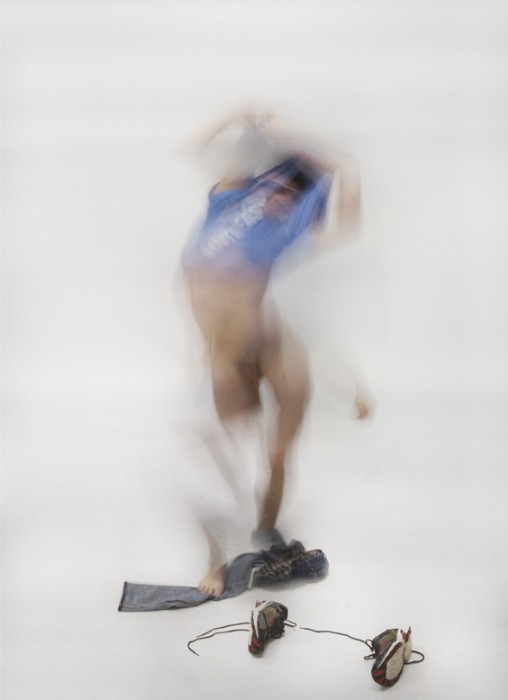
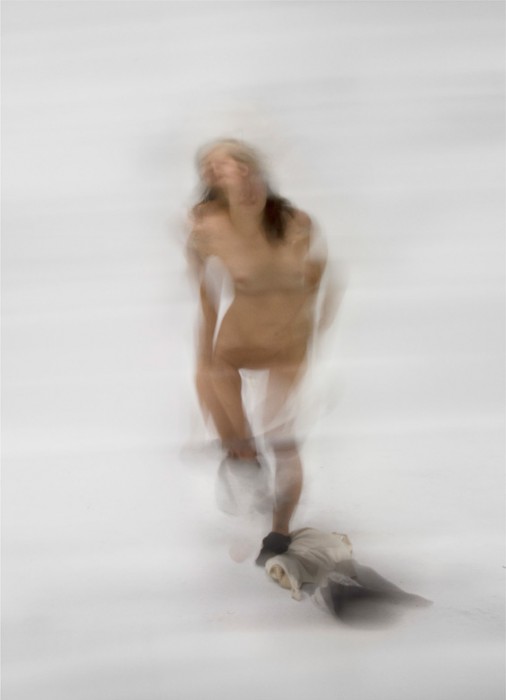
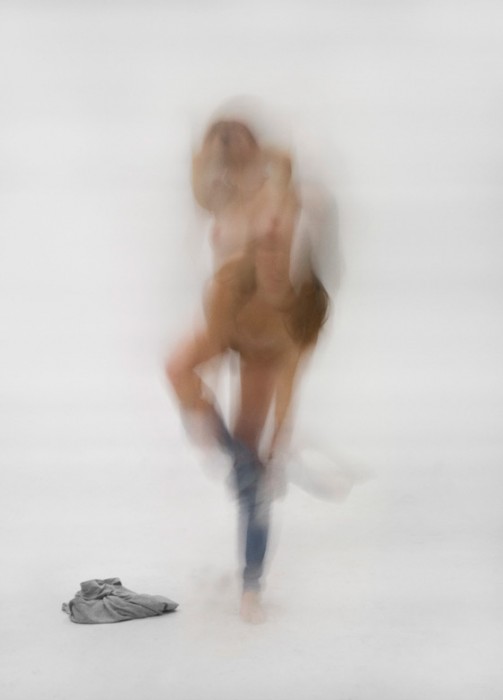
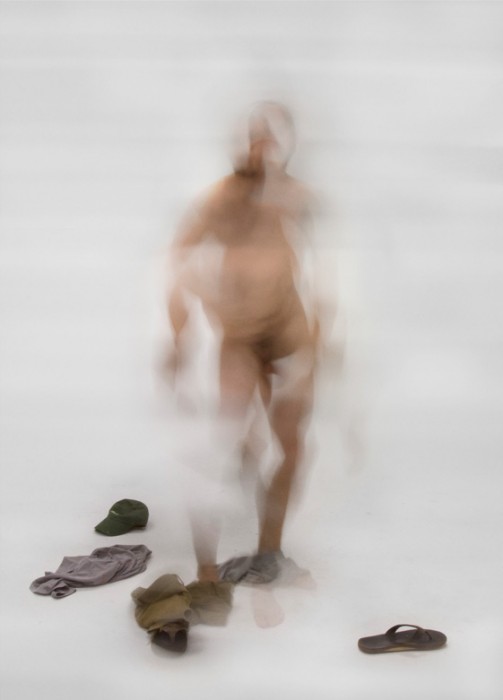
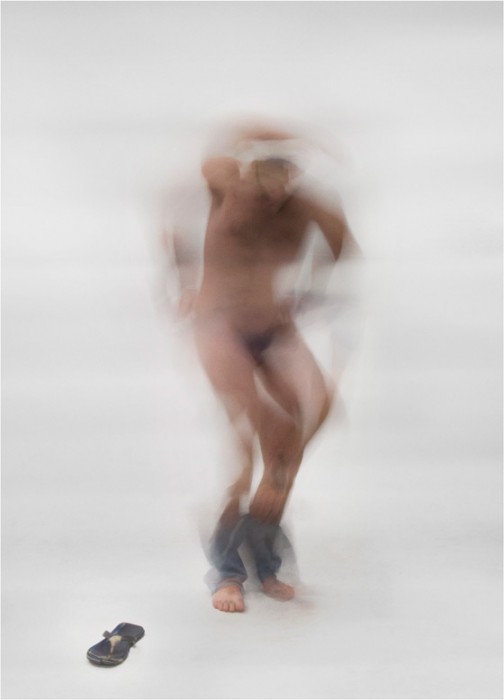
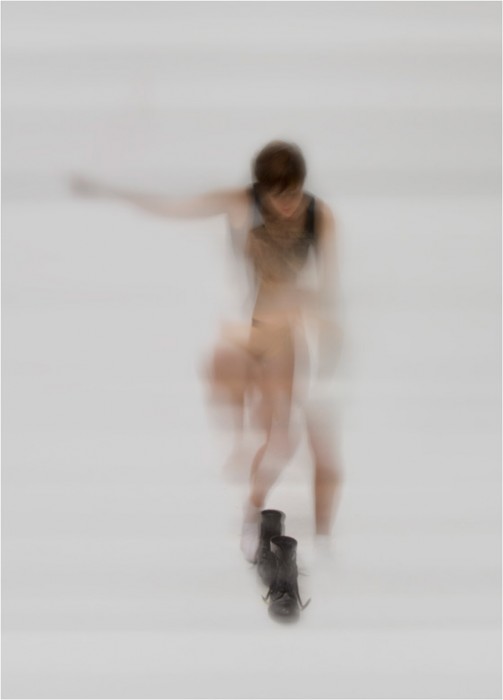
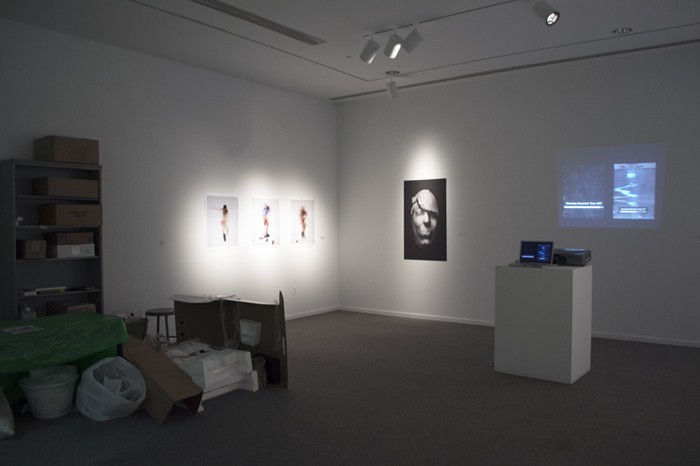
Taking inspiration from glitch art, the images of the Space Between Words attempt to use flaws in digital technology to expose the identity of the subject in a way that diverts attention away from the expected notions of what history has dictated photographic portraiture to be. Subjects were asked to preform a task, to remove their clothes as fast as possible, in which they would be forced to achieve the request in a way that would be unique to them. Through the performative act by the subject and the extended and broken method of image capture, the images of the Space Between Words examine how the body as recorded through non-traditional processes can convey as much or more expression of the individual than traditional methods.
Virtual Symptom
Due large in part to photographic history and the rise of the medical gaze, photographic images as seen today can be observed and read effectively through psychoanalytic theory. The historical shift from objective to subjective was one that would dominate the future understanding of the photographic medium. A foundation of photographic observation formulated by Jean-Martin Charcot in the 1860’s created a framework in which viewers both provide the voice absent in a still image and are encouraged to decipher the narrative they apply. This historical relationship between image and viewer has been embedded within photographic discourse. The images of Virtual Symptom demonstrate how photography’s psychoanalytic history has become integral for spectators to uncover narratives, but allow viewers to self determine the desire and fantasy behind each image.
Abolition of Man
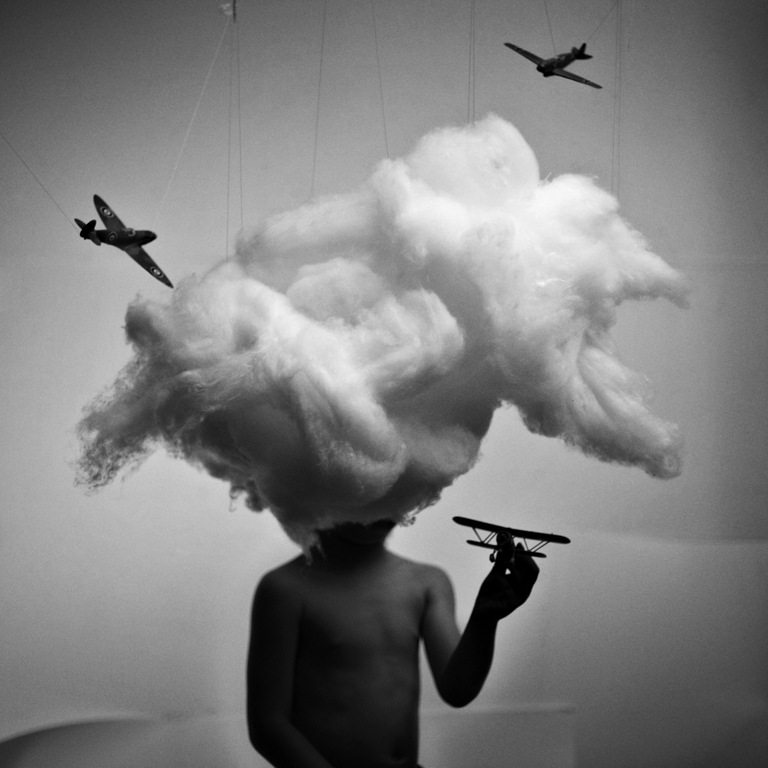
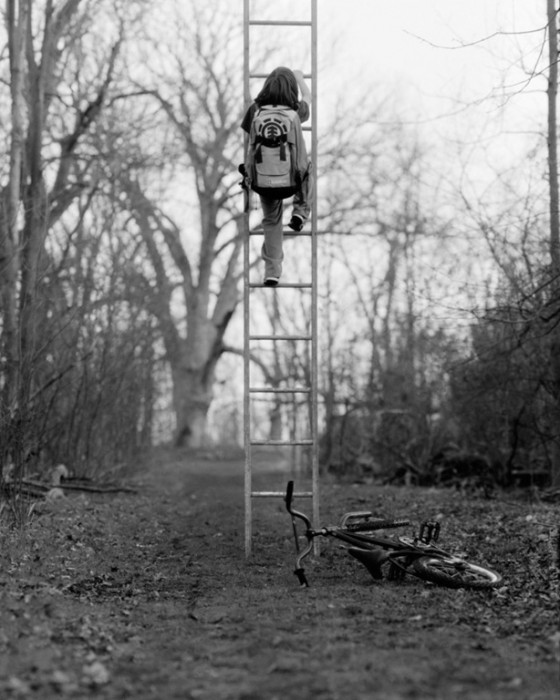
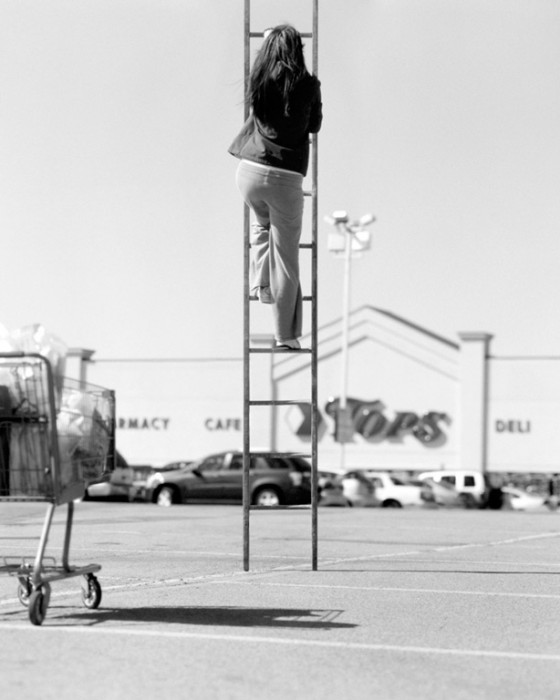
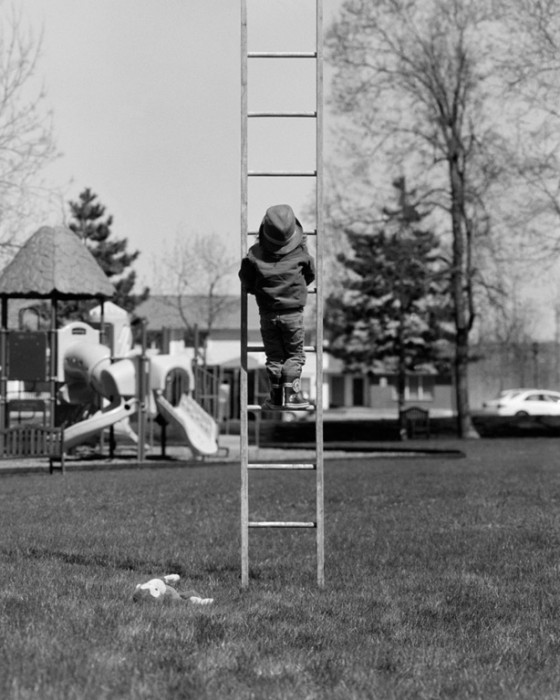
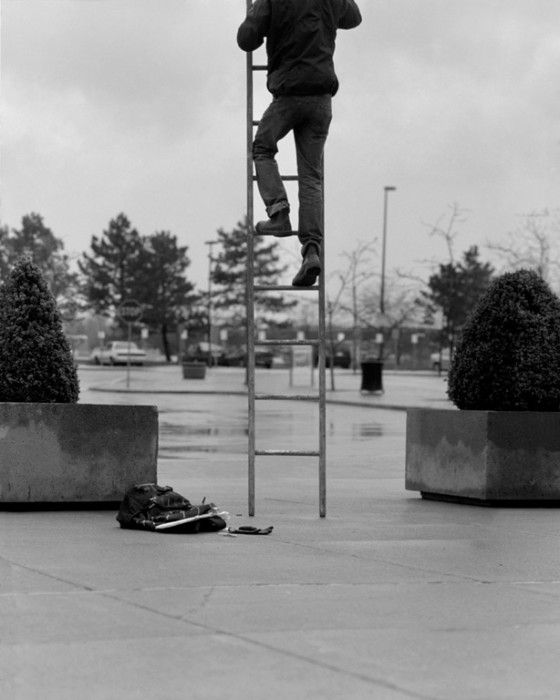
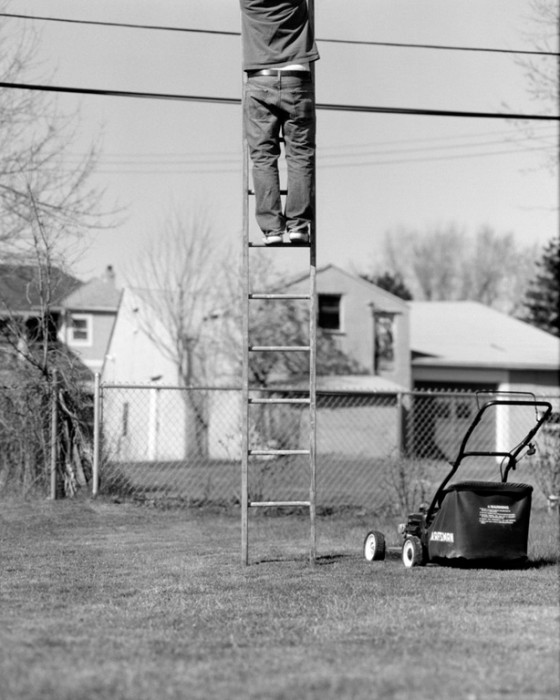
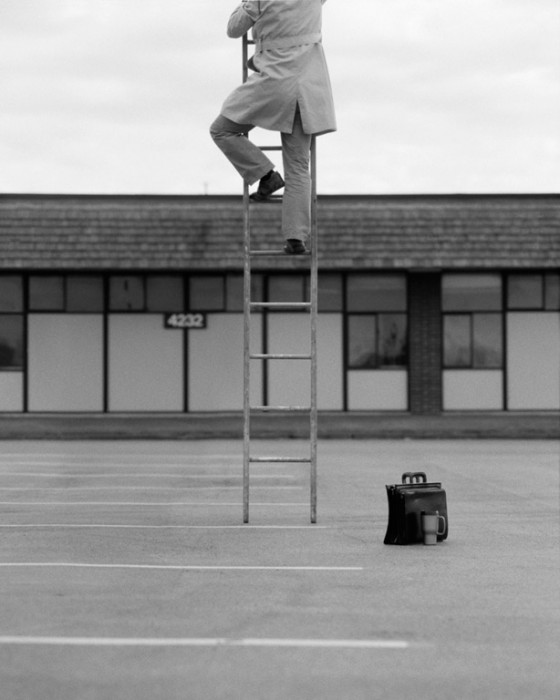
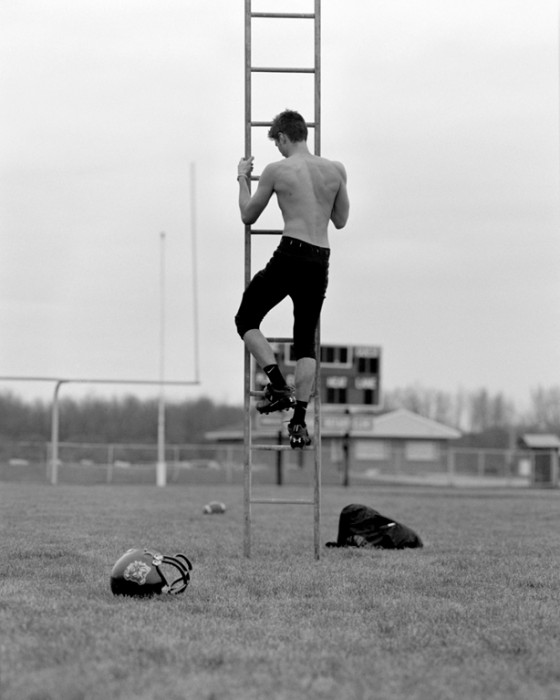
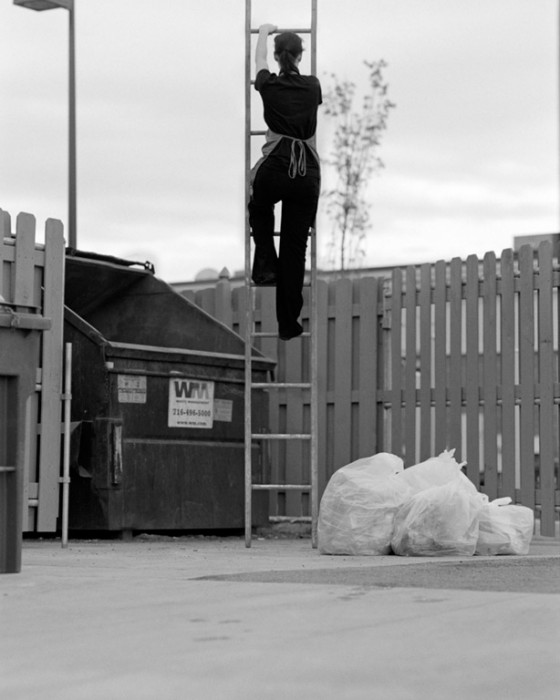
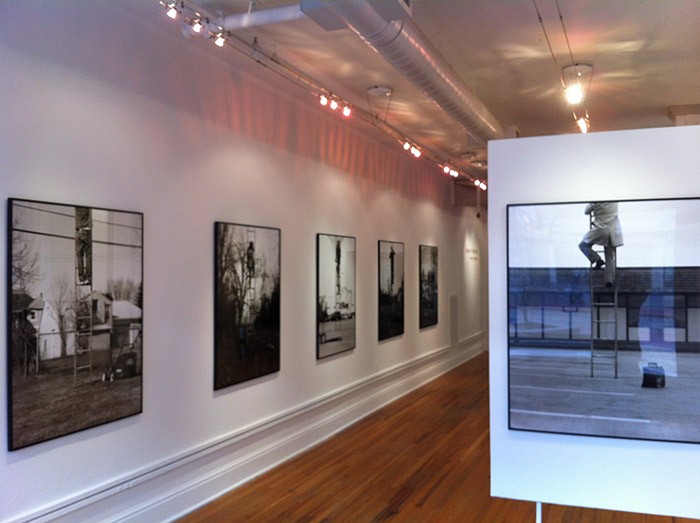
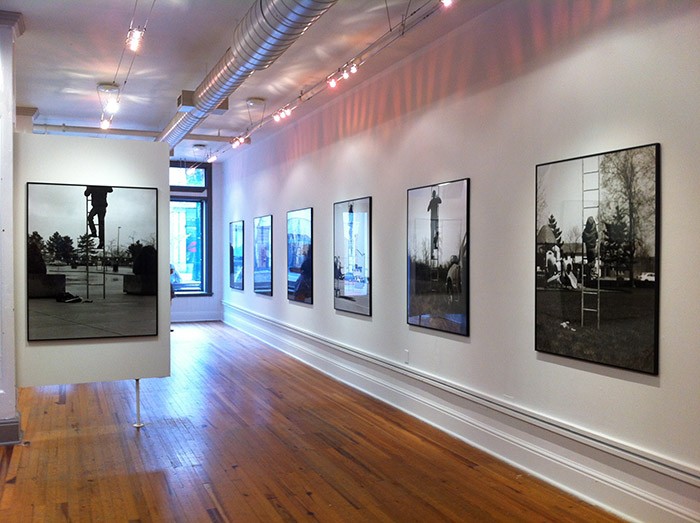
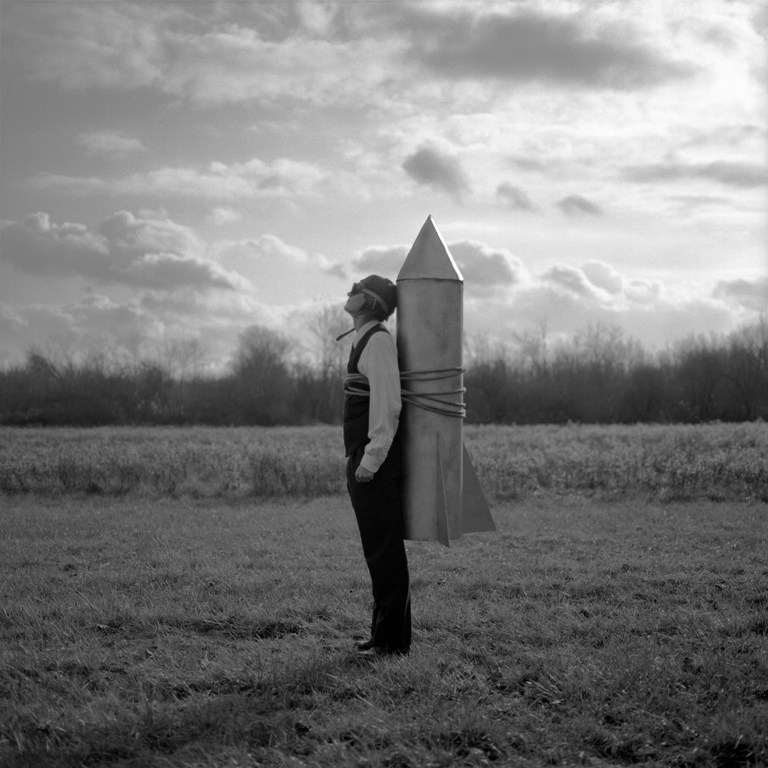
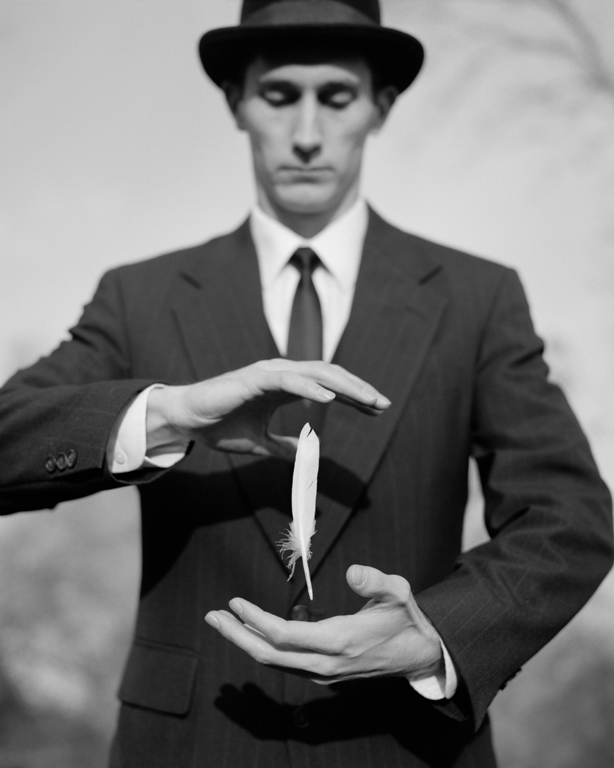
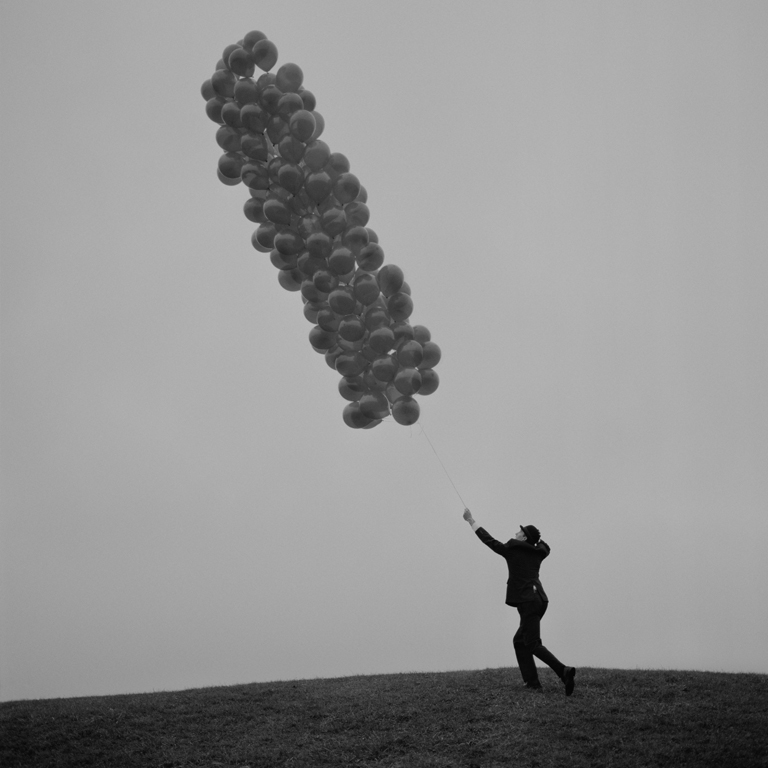
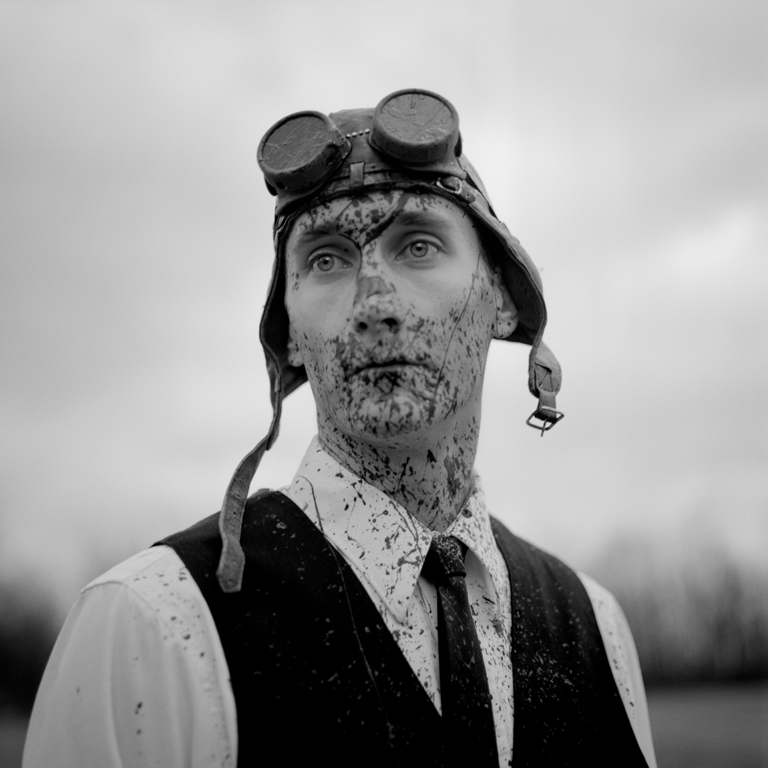
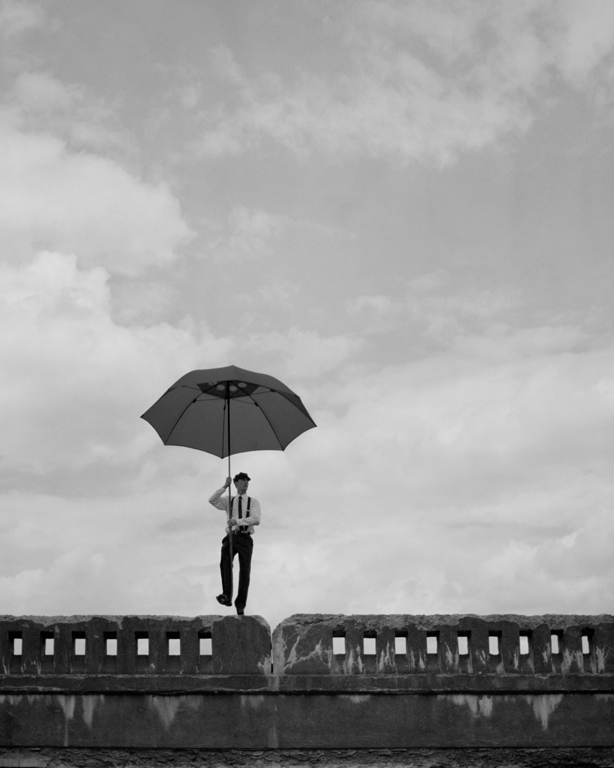
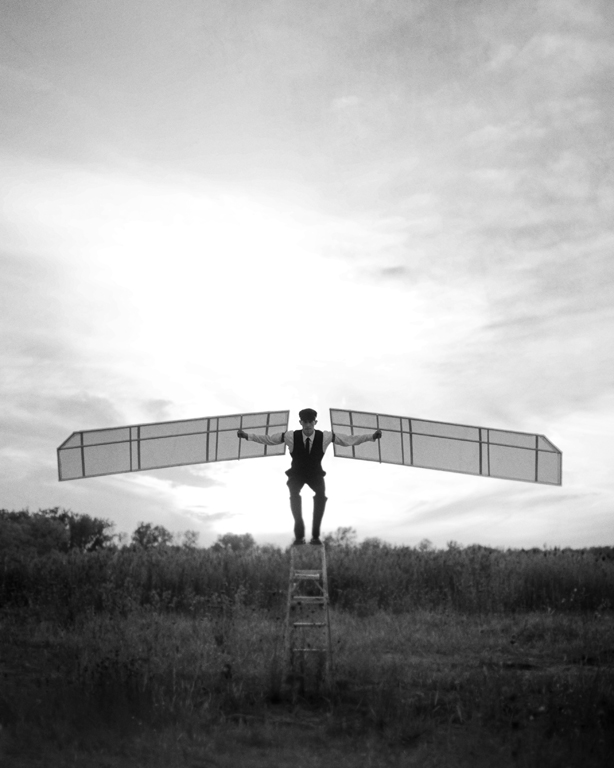
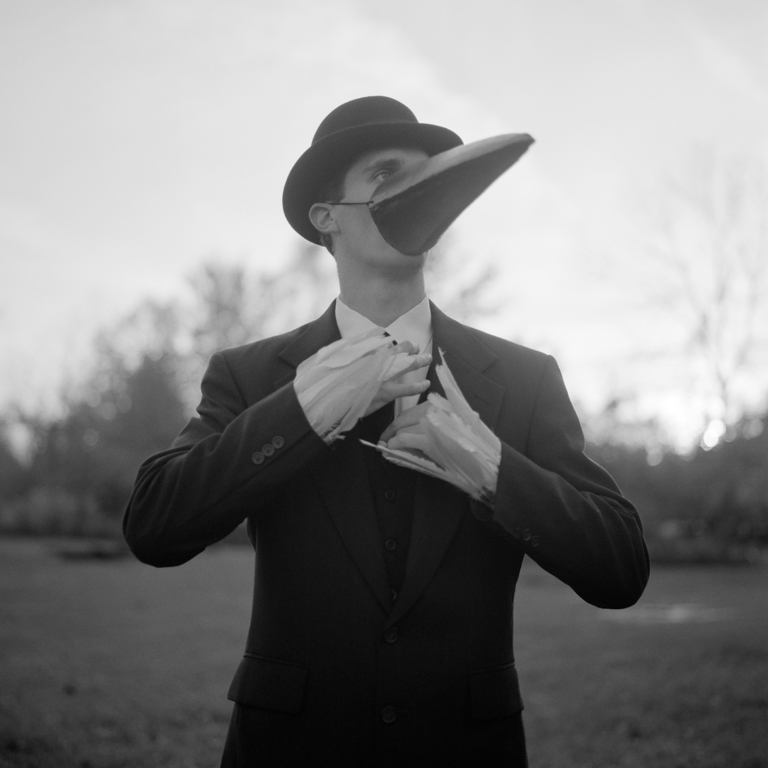
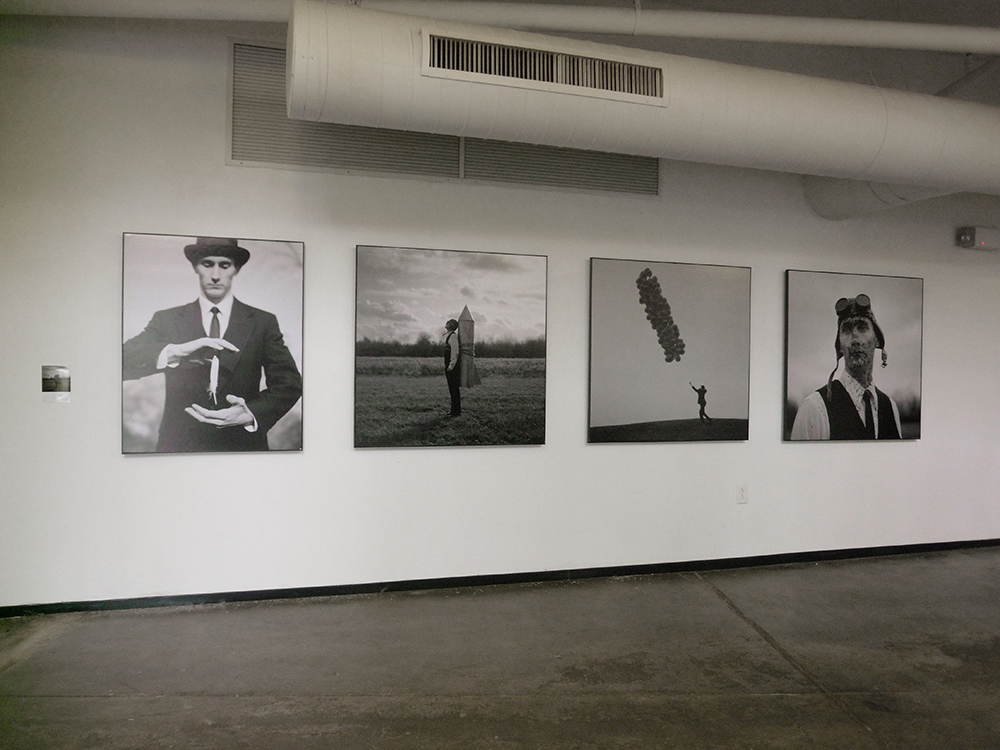
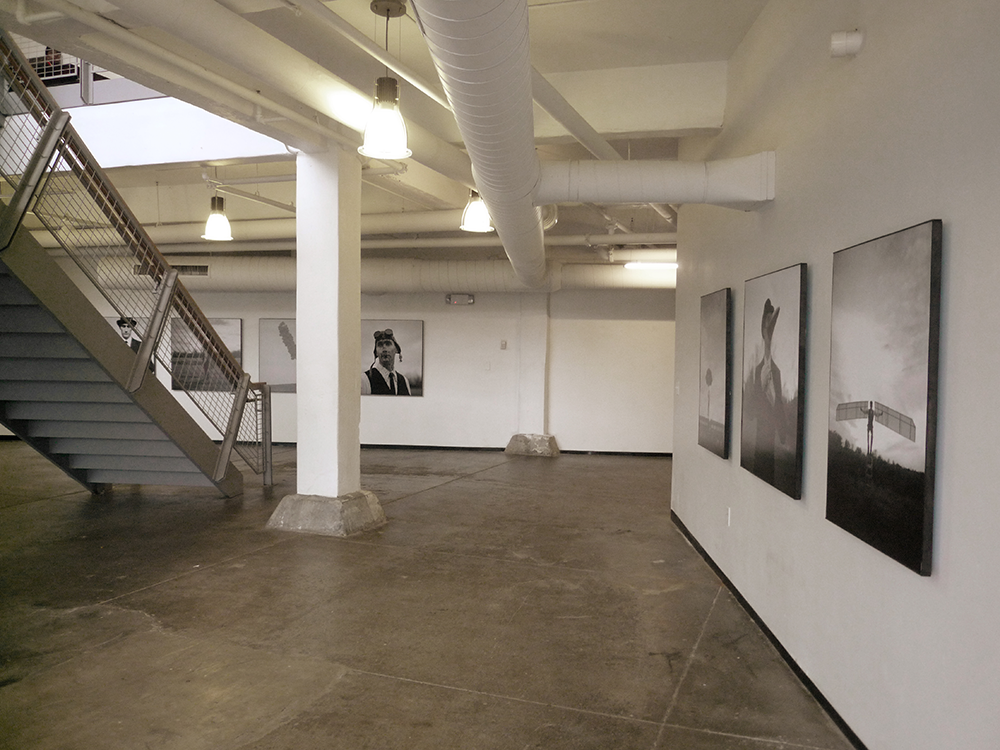
The desire to explore the unknown is inherently tied to the human condition, existing in opposition to the structures and systems through which we attempt to understand and control the world around us. As individuals, we are continually confronted with the binary of conformity and autonomy, in which the pursuit of the unfamiliar requires an acceptance of uncertainty and the possibility of failure. Abolition of Man examines this relationship through a series of images that explore the desire to escape the confines of an increasingly dystopian existence. Utilizing the sky as both a physical and metaphorical space, the images construct narratives of departure, transformation, and the pursuit of an elusive existence beyond the established norm. Embedded within these attempts are moments of self-reflection and dark irony, in which the ambition to transcend the familiar is confronted by the uncertainty of what lies beyond. Rather than presenting escape as a resolution, Abolition of Man questions the relationship between individual freedom, the systems we inhabit, and our inherent desire to seek that which remains unknown.
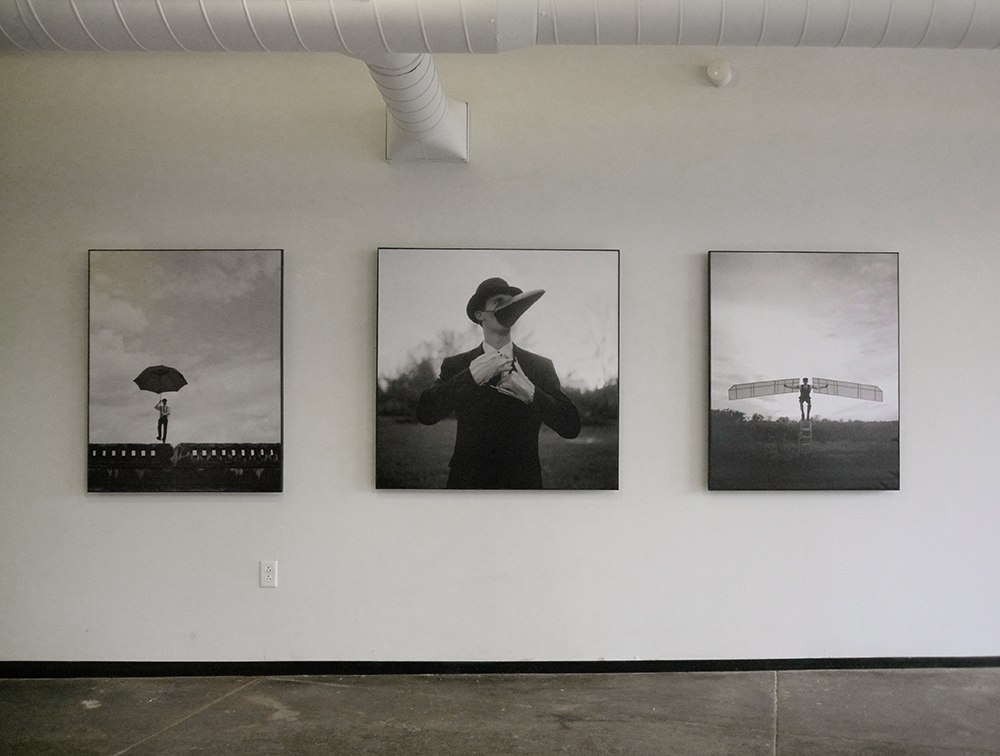
The Boy
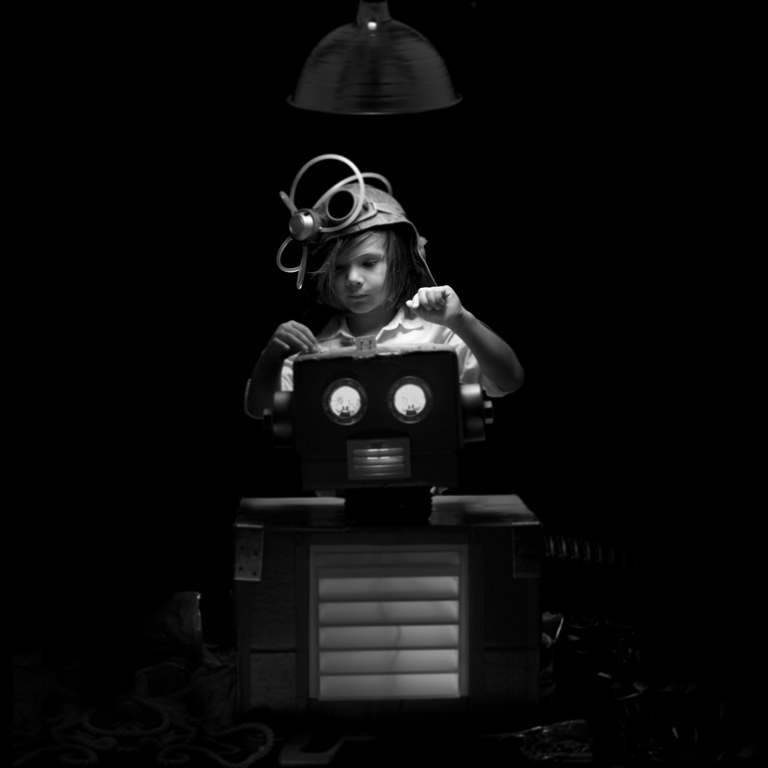
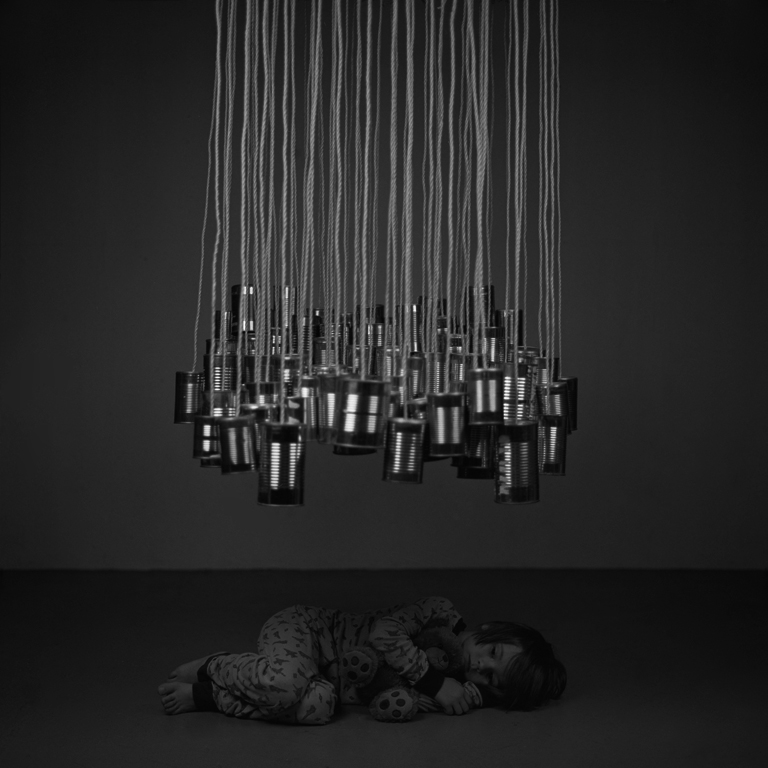
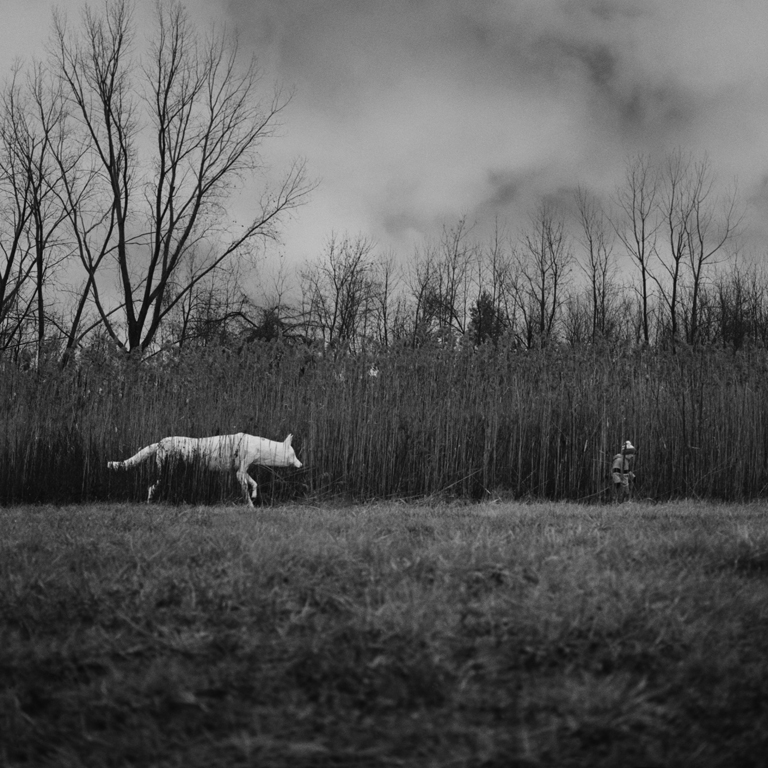
This series examines the relationship between childhood imagination and the adult experience through a collection of constructed photographic narratives inspired by observations of my son. Drawing upon his imaginative play and our personal interactions, the images attempt to explore the space between his understanding of the world and my own. Through the deliberate construction of environments in which the artificial remains visible, the photographs acknowledge the influence of my own perspective upon the experiences they depict. This merging of imagination and observation creates a dialogue between father and son, in which the desire to escape the confines of reality is simultaneously shaped by the very structures we seek to transcend. Rather than attempting to recreate the imaginative experience of childhood, the work examines the complexities of understanding a world that, as adults, we can no longer fully inhabit.